
When Gas Goes Wrong, Every Minute Counts
If you need a 24 hour gas plumber near me right now, here’s what to do first:
Quick Answer: Steps to Take During a Gas or Plumbing Emergency
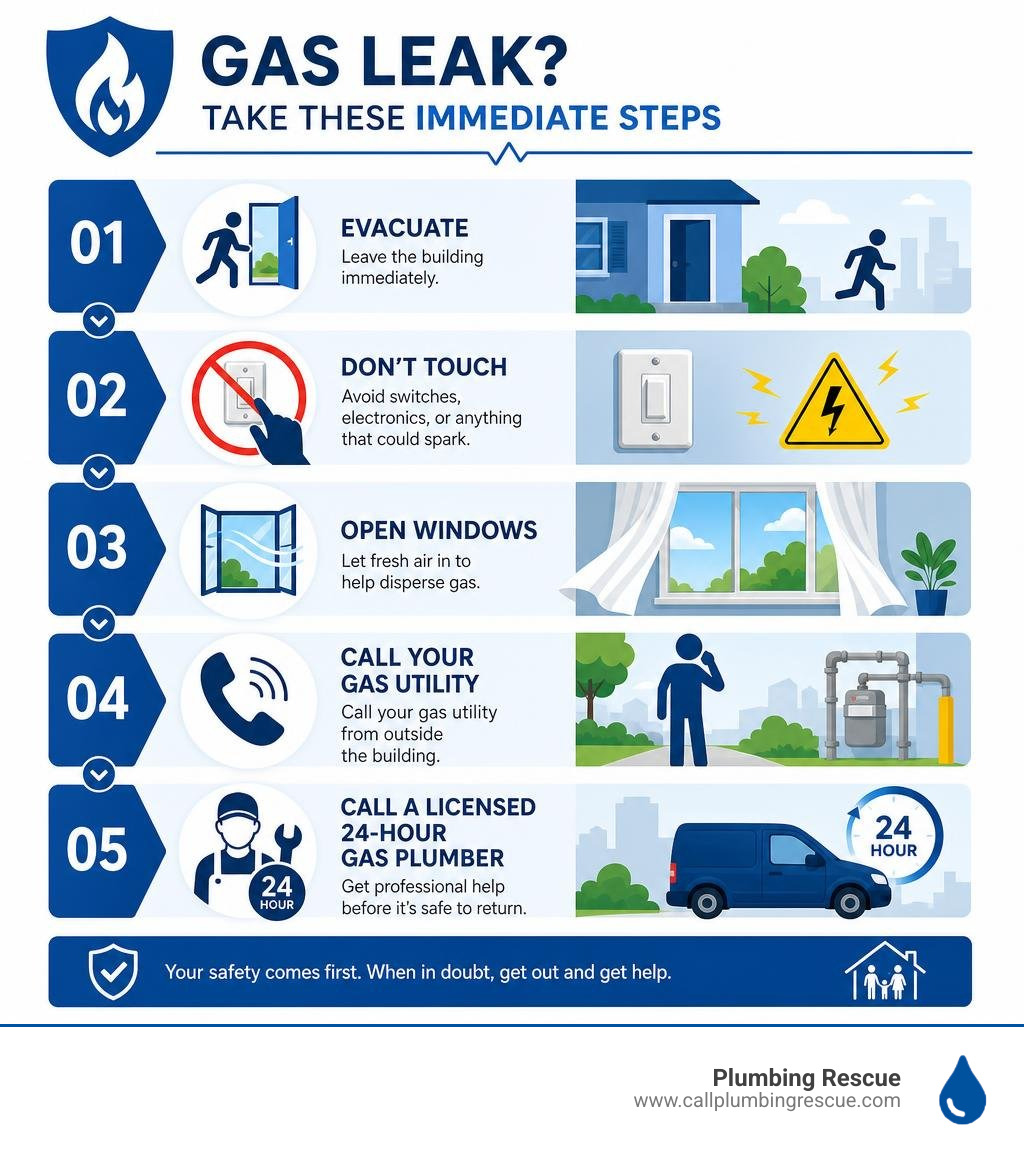
- If you smell gas — leave the building immediately, don’t touch any switches, and call your gas utility from outside
- If you have a burst pipe or major leak — shut off your main water supply valve
- Call a licensed 24-hour gas plumber — look for one who is licensed, insured, and (in the UK) Gas Safe registered
- Don’t re-enter until a professional confirms it’s safe
Gas emergencies don’t wait for business hours. Neither should you.
A gas leak, a burst pipe, or a failing water heater can go from inconvenient to dangerous in minutes. Over 70% of homeowners need emergency plumbing services at least once every five years — and gas-related issues are among the most urgent on that list. Gas leaks alone are linked to roughly 4,200 home fires every year in the U.S.
The problem most people run into? They don’t know who to call until after something goes wrong. And searching for help at 2 a.m. while water is flooding your basement is not the time to start vetting plumbers.
This guide gives you everything you need — before an emergency hits.
I’m Ben Smith, a digital marketing strategist with over 25 years of experience helping service businesses like 24 hour gas plumber near me providers connect with the homeowners who need them most. I’ve worked closely with emergency plumbing and gas service companies to understand exactly what customers need to know when a crisis strikes.
Basic 24 hour gas plumber near me glossary:
When to Call a 24 Hour Gas Plumber Near Me
It is 2:00 AM on a freezing Tuesday. You are snuggled deep under your blankets when you suddenly hear a strange, high-pitched hissing sound coming from the utility closet. Or maybe you wake up to get a glass of water and are hit by a smell that resembles a carton of eggs that expired sometime last month.
Is this a “deal with it after a cup of coffee” situation, or a “grab the kids, the dog, and run outside” situation?
Knowing the difference between a minor plumbing annoyance and a full-blown emergency can save your home, your bank account, and your life. Here is a quick reference table to help you run a 60-second risk assessment:
| Emergency (Call a 24 hour gas plumber near me immediately!) | Urgent but Manageable (Can wait until normal business hours) |
|---|---|
| Foul rotten egg odor (indicates a natural gas leak) | A slightly dripping kitchen faucet |
| Unexplained hissing or whistling near gas lines or appliances | A single slow-draining bathroom sink |
| No hot water in freezing temperatures (risk of frozen pipes) | A running toilet that stops when you jiggle the handle |
| Water actively spraying from a burst pipe with no working shut-off | Low water pressure at only one tap |
| Multiple backed-up drains accompanied by sewer smells | A minor water heater leak contained in a drain pan |
| Physical symptoms like sudden dizziness, headaches, or nausea | A broken garbage disposal that isn’t leaking |
If you find yourself facing an issue on the left side of this table, you are dealing with a situation that requires immediate professional intervention.
The Silent and Not-So-Silent Signs of a Gas Leak
Natural gas is naturally odorless, colorless, and tasteless. To make it detectable, utility companies mix in a chemical called mercaptan, which gives gas its signature “rotten egg” or sulfur scent. If you smell this inside your home, your gas lines or appliances are leaking.
However, scent isn’t the only indicator. Keep your eyes and ears open for these other warning signs:
- Hissing or Whistling Sounds: A damaged gas line or loose connection under pressure will often make a distinct whistling sound.
- Dead Houseplants: Natural gas blocks a plant’s ability to absorb oxygen. If your indoor plants are suddenly dying despite proper watering, a slow gas leak could be the culprit.
- Bubbles in Standing Water: If you have wet areas or puddles near your outdoor gas lines and notice bubbles rising through the mud, gas is escaping underground.
- Physical Symptoms: Carbon monoxide and natural gas exposure can cause sudden, unexplained headaches, dizziness, fatigue, nausea, and fluttering in the chest. If everyone in your household (including pets) suddenly feels ill, get out immediately.
For more detailed advice on handling after-hours crises, read our guide on After Hours Plumbing For When Your House Becomes A Pool.

Why You Shouldn’t Delay Calling a 24 Hour Gas Plumber Near Me
When water leaks, it ruins drywall, warps floorboards, and breeds mold. When gas leaks, it only takes a single tiny spark — from a light switch, a cell phone, or even static electricity on your carpet — to cause a catastrophic explosion.
As mentioned, gas leaks account for roughly 4,200 home fires annually in the United States. Beyond the immediate fire hazard, breathing in natural gas or carbon monoxide can lead to asphyxiation and severe neurological damage.
If you live in Colorado, you know how quickly winter temperatures drop, making gas line and heating issues incredibly dangerous. If your furnace or gas-powered water heater fails when it is 10°F outside, your home can freeze in a matter of hours, leading to ruptured water lines. In these moments, relying on a trusted local service ensures you get a qualified technician to your door before a bad situation turns disastrous.
Immediate Safety Protocols and Emergency Services
If you suspect a gas leak, your priority is safety — not trying to diagnose the problem yourself. Do not grab a wrench, do not search YouTube for a DIY fix, and do not try to find the leak with a flashlight.
The Emergency Gas Leak Checklist:
- Evacuate Immediately: Gather everyone in the home, including your pets, and walk out.
- Do NOT Touch Electrical Switches: Do not turn lights on or off, do not unplug appliances, and do not use your garage door opener. Any electrical arc can ignite the gas in the air.
- Do NOT Use Your Phone Inside: Do not call a plumber or 911 until you are at least 100 feet away from the property.
- Leave the Doors Open: As you exit, leave the front door open to help ventilate the space.
- Turn Off the Gas (If Safe): If you know where your main gas meter is and can safely shut off the valve using a wrench on your way out, do so. If you have to search for it, skip this step and just run.

What Services Do Emergency Gas Plumbers Provide?
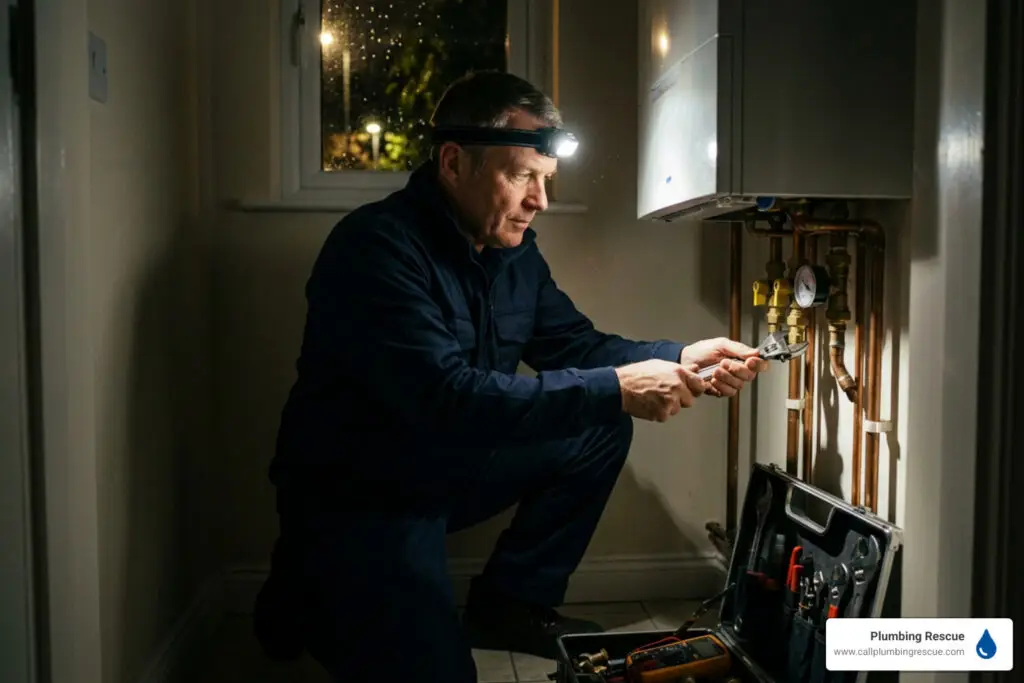
A certified emergency gas plumber is not just a standard plumber with a fancy 24/7 sticker on their truck. They are highly trained, dual-licensed technicians who specialize in both high-pressure water systems and volatile gas lines. When they arrive at your home in Austin, Denver, Indianapolis, or Phoenix, they bring specialized equipment to handle a wide range of emergencies:
- Gas Line Repair and Replacement: Repairing cracked, corroded, or tree-root-damaged gas lines feeding your home or commercial property.
- Advanced Leak Detection: Utilizing specialized gas sniffers, pressure testing, and acoustic sensors to pinpoint the exact location of a leak, even behind walls or underground.
- Water Heater Emergency Services: Fixing leaking water heater tanks, broken pressure valves, or faulty gas burners that prevent hot water delivery or risk flooding your basement.
- Sewer Backups and Drain Cleaning: Clearing severe main sewer line blockages that cause raw sewage to back up into your tubs and sinks, presenting a massive health hazard. For severe clogs, check out our guide on 24 Hr Drain Service For When Life Gets Clogged.
Finding a Certified 24 Hour Gas Plumber Near Me
Working with gas lines is highly regulated, and for good reason. In states like Texas, Colorado, Indiana, and Arizona, gas piping must only be handled by licensed professionals who carry specific gas-fitting credentials.
Before you let a technician touch your gas system, verify their qualifications:
- Check for Active Licensing: Ensure the technician or their parent company holds an active plumbing and gas-fitting license with the state licensing board (such as the Texas State Board of Plumbing Examiners or the Arizona Registrar of Contractors).
- Verify General Liability Insurance: A reputable emergency service should carry at least $1 million in liability insurance to protect your property in the rare event of an accident.
- Ask for Compliance Certificates: In many jurisdictions, any modification or repair to a gas line requires a professional pressure test and a compliance certificate to satisfy city inspectors and your insurance provider.
If you are looking for vetted, highly rated professionals in the Lone Star State, you can find licensed teams ready to handle high-stakes gas and water emergencies.
What to Expect: Response Times, Costs, and the Emergency Visit
When you call an emergency plumber in the middle of the night, you want to know two things: How fast can you get here? and How much is this going to cost me?
Response Times: The Golden Hour
Under normal weather and traffic conditions, a professional 24 hour gas plumber near me should arrive at your property within 60 minutes or less.
However, response times can vary depending on local conditions. For example, if a major winter storm hits Denver or Indianapolis, or if a severe monsoon floods streets in Phoenix, local dispatch centers will experience a massive spike in calls. In these scenarios, dispatchers triage calls based on safety risks — prioritizing active gas leaks and structural flooding over contained water leaks.
Understanding the Cost of Emergency Care
Let’s be completely honest: calling a professional out at 3:00 AM on a Sunday or during Thanksgiving dinner is going to cost more than a standard Tuesday afternoon appointment.
Emergency plumbing pricing typically consists of:
- The Diagnostic/Service Call Fee: A flat fee (usually ranging from $150 to $300) just to get the fully equipped truck and technician to your door after hours.
- Hourly Rates or Flat-Rate Repair Pricing: Some companies charge an elevated hourly emergency rate, while others use a transparent, upfront flat-rate pricing model. Upfront flat-rate pricing is always preferred, as it ensures you know exactly what the repair will cost before the work begins.
To understand why these rates exist and how to budget for them, take a look at our detailed breakdown: How Much Does An After Hours Plumber Cost Anyway.
Preparing Your Property for the Plumber’s Arrival
While you wait for the technician to arrive, you can take a few simple steps to speed up the repair process and limit property damage:
- Clear the Work Area: If the leak is near your water heater in the basement, your gas meter outside, or under the kitchen sink, move boxes, cleaning supplies, and storage out of the way. Technicians need immediate, unobstructed access.
- Secure Your Pets: Emergency situations can be stressful for animals. Keep your dogs and cats in a quiet, secure room away from the work area.
- Document the Damage: Take quick photos or videos of active leaks, water pooling, or sagging ceilings. This documentation can be incredibly valuable for your homeowner’s insurance claim later.
For more strategic tips on managing a crisis before the truck pulls up, read How To Hire An Affordable 24 Hour Plumber Before Your House Becomes A Pool.
Preventing Future Gas and Plumbing Disasters
The absolute best emergency is the one that never happens. While some pipe failures are completely unavoidable, the vast majority of plumbing and gas crises can be prevented with simple, routine maintenance.
1. Schedule Annual Inspections
Just like you get your car’s oil changed, your home’s gas and plumbing systems need regular checkups. Have a licensed professional inspect your gas lines, pressure regulators, and appliance connections at least once a year. They can spot tiny cracks, loose fittings, or signs of corrosion long before they turn into a 2 a.m. emergency call.
2. Monitor Your Water Pressure
High water pressure feels great in the shower, but it acts like high blood pressure in your home’s pipes. Anything over 80 PSI (pounds per square inch) puts immense stress on your pipe joints, water heater tank, and appliance hoses, dramatically increasing the risk of a sudden burst. Installing a simple water pressure regulator can save your entire system.
3. Winterize Your Pipes
If you live in Denver or Indianapolis, winter freezing is your plumbing system’s worst enemy. When water freezes, it expands with incredible force, easily splitting copper, PEX, or galvanized steel pipes.
- Insulate exposed pipes in unheated crawlspaces, basements, and attics.
- Disconnect garden hoses and shut off outdoor spigots before the first hard freeze.
- During extreme cold snaps, let your faucets drip slowly to keep water moving and open cabinet doors to let warm room air circulate around your pipes.
If you need a team that can help you with winterization or routine maintenance, even on Saturdays and Sundays, check out our guide on plumbers Available On Weekends.
Frequently Asked Questions About Emergency Gas Plumbing
Can I call 911 for a gas leak or plumbing emergency?
Yes, but only for a gas leak. If you smell gas, hear hissing, or suspect a gas line has ruptured, you should immediately evacuate the building and call 911, followed by your local gas utility company. A gas leak is a life-threatening hazard that requires emergency dispatch (fire department) to secure the area.
However, you should never call 911 for a plumbing emergency like a burst water pipe or a backed-up sewer line. These are property-damage issues, not immediate threats to public safety, and calling 911 ties up lines for real life-or-death crises. For water emergencies, shut off your main water valve and call an emergency plumber directly.
Is gas line repair covered by my homeowner’s insurance?
In most cases, yes — but there is a catch. Homeowner’s insurance typically covers sudden, accidental damage, such as a gas line punctured during a professional excavation project or damaged by a falling tree.
However, insurance policies rarely cover repairs caused by wear and tear, age, lack of maintenance, or corrosion. Furthermore, most insurance providers will immediately deny your claim if they discover the gas work was completed by an unlicensed individual. Always hire a licensed, insured gas fitter who can provide a compliance certificate to protect your coverage.
Why do plumbing and gas emergencies increase during winter?
Emergency plumbing and gas calls spike by roughly 30% during the winter months. Cold temperatures cause water pipes to freeze and burst, while heating systems run continuously, putting immense strain on older gas lines, valves, and water heaters.
If you are dealing with a cold-weather emergency in Colorado, you can connect with local professionals to get fast, reliable heating and plumbing assistance when you need it most.
Conclusion
When a gas leak or a plumbing disaster strikes your home in Austin, Denver, Indianapolis, or Phoenix, you don’t have time to sift through endless search results or worry about whether a technician is qualified. You need fast, reliable, and professional help right away.
At Plumbing Rescue, we specialize in rapid call routing, connecting you with trusted, fully licensed, and insured local technicians in your area 24 hours a day, 7 days a week, 365 days a year. Whether you are dealing with a suspected gas leak, a ruptured water main, or a failing water heater, we are here to bring you fast relief and total peace of mind.
Don’t wait for a tiny leak to turn into a costly disaster. Keep our number handy, and if you are facing an emergency right now, Get emergency help now and let us handle the rest!
Dealing With This Yourself? Talk to a Licensed Plumber.
Skip the guesswork — get a straight answer from a local pro. Available 24/7, no forms, no waiting.
Call Now: (888) 686-0698