
Identifying Plumbing Disasters That Require 24 Hour Leak Repair
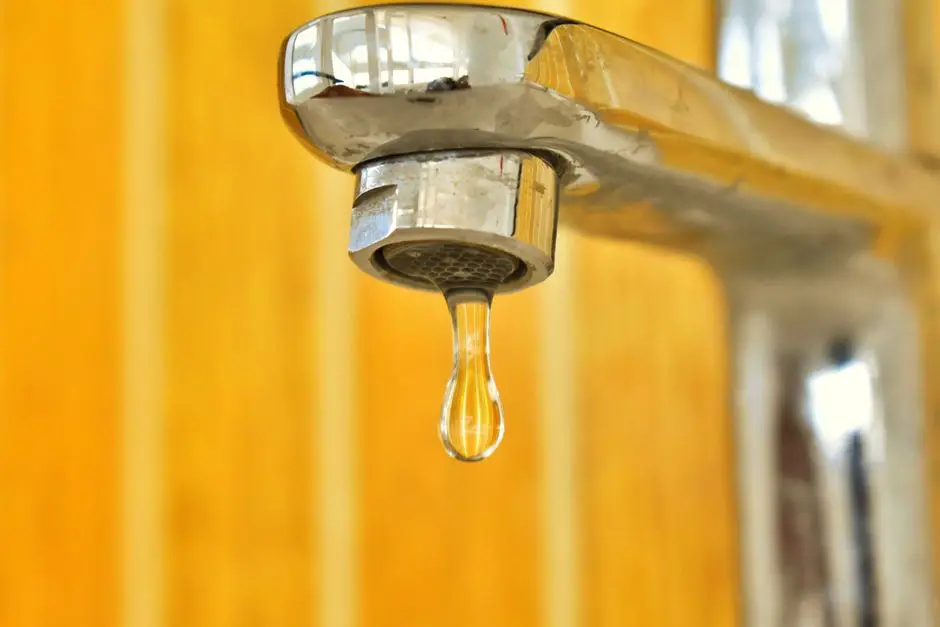
Not every drip calls for waking up a plumbing technician at two in the morning. A slow-dripping kitchen faucet that fills a coffee cup over twelve hours can usually wait until standard business hours. However, when pressurized water streams out of control, you are facing a true plumbing emergency where 24 hour leak repair becomes your home’s primary line of defense.
A real emergency presents an immediate threat to your property’s structural integrity, health, or electrical systems. When high-pressure water breaches your piping network, it saturates drywall, warps hardwood flooring, rots wooden support joists, and fosters toxic mold growth in as little as 24 to 48 hours.
The most severe scenarios requiring immediate dispatch include:
- Burst or Fractured Water Lines: Sudden breaks in major supply lines instantly unleash hundreds of gallons of water per hour into your living space.
- Slab Leaks Beneath Foundations: High-pressure leaks under concrete slabs undermine soil stability and cause foundation cracking.
- Ruptured Water Heater Tanks: Corroded or pressure-stressed water heaters that spill their entire capacity onto floorboards.
- Severe Main Sewer Line Backups: Raw sewage backing up into home fixtures, presenting dangerous biohazard conditions.
- Gas Line Leaks: Leaks in gas supply lines feed appliances, requiring immediate utility isolation and professional repair.
If your hallway feels more like a shallow lake than a passageway, reading up on after-hours plumbing for when your house becomes a pool can help you realize that you aren’t the first homeowner to face a late-night water catastrophe.
Common Causes Behind Sudden Household Leaks
Pipes don’t burst without reason. Sudden, violent pipe ruptures usually stem from cumulative physical forces acting on your plumbing infrastructure. Understanding these triggers helps explain why household leaks happen without warning in homes across regions like Denver, Phoenix, Indianapolis, and Austin.
- Freezing Temperatures: During harsh winter blasts in places like Denver or Indianapolis, uninsulated pipes exposed to sub-freezing outdoor air freeze solid. As water freezes into ice, it expands by roughly 9%. This expansion generates incredible hydraulic pressure trapped between the ice blockage and closed fixtures, causing copper or plastic pipe walls to split open.
- Excessive Water Pressure: Standard residential plumbing systems are designed to operate safely between 40 and 50 pounds per square inch (psi). When municipal pressure fluctuates or pressure-reducing valves fail—pushing line pressure above 60 psi—pipes, joints, and flexible appliance lines experience extreme stress that leads to sudden blowouts.
- Aging Copper and Galvanized Lines: Metal pipes don’t last forever. Over decades, copper lines experience pinhole corrosion caused by water chemistry or high velocities, while older galvanized steel lines corrode internally until walls become paper-thin and collapse.
- Foundation Shifting and Soil Movement: In markets with expanding clay soils like Austin and Phoenix, ground movement shifts concrete slab foundations. This structural movement applies immense shear force to sub-foundation supply lines, causing stubborn slab leaks.
- Joint Expansion and Thermal Shock: Rapid shifts between cold incoming water and hot water thermal expansion cause pipe joints to expand and contract, loosening solder connections and threaded fittings over time.
Hidden Leak Indicators Behind Walls and Under Slabs
Not every dangerous leak presents itself as a dramatic indoor geyser. In fact, some of the most destructive water leaks quietly trickly behind drywall, inside insulated ceiling cavities, or beneath concrete foundation slabs for weeks before being noticed. Identifying hidden leaks early saves thousands in repair costs.
Keep an eye out for these subtle warning signs in your home:
- Unexplained Water Bill Spikes: If your water consumption habits haven’t changed but your monthly utility bill suddenly doubles, water is escaping continuously somewhere in the network.
- Persistent Musty Odors and Damp Air: Water trapped inside wall cavities or beneath subflooring breeds mold and mildew, producing distinct earthy, musty smells.
- Unusual Water Pressure Drop: A sudden, unexplained loss of water pressure at multiple faucets often signals that water is escaping through a major breach upstream.
- Discolored or Soft Drywall: Water pooling behind walls causes paint to bubble, wallpaper to peel, and drywall panels to turn spongy and discolored.
- A Continuous Sound of Running Water: Hearing the sound of rushing or trickling water when every faucet, shower, and water-using appliance is turned off is a strong indicator of a concealed supply line break.
- Spinning Water Meter Indicator: Turn off all household fixtures and check your exterior water meter. If the low-flow indicator dial or digital readout continues moving, water is leaking.
If you suspect a hidden leak in the Rockies region, calling an expert Denver 24/7 emergency plumbing provider ensures high-tech diagnostic equipment is brought straight to your front door before walls are cut open.
Step-by-Step Emergency Mitigation While Waiting for Help
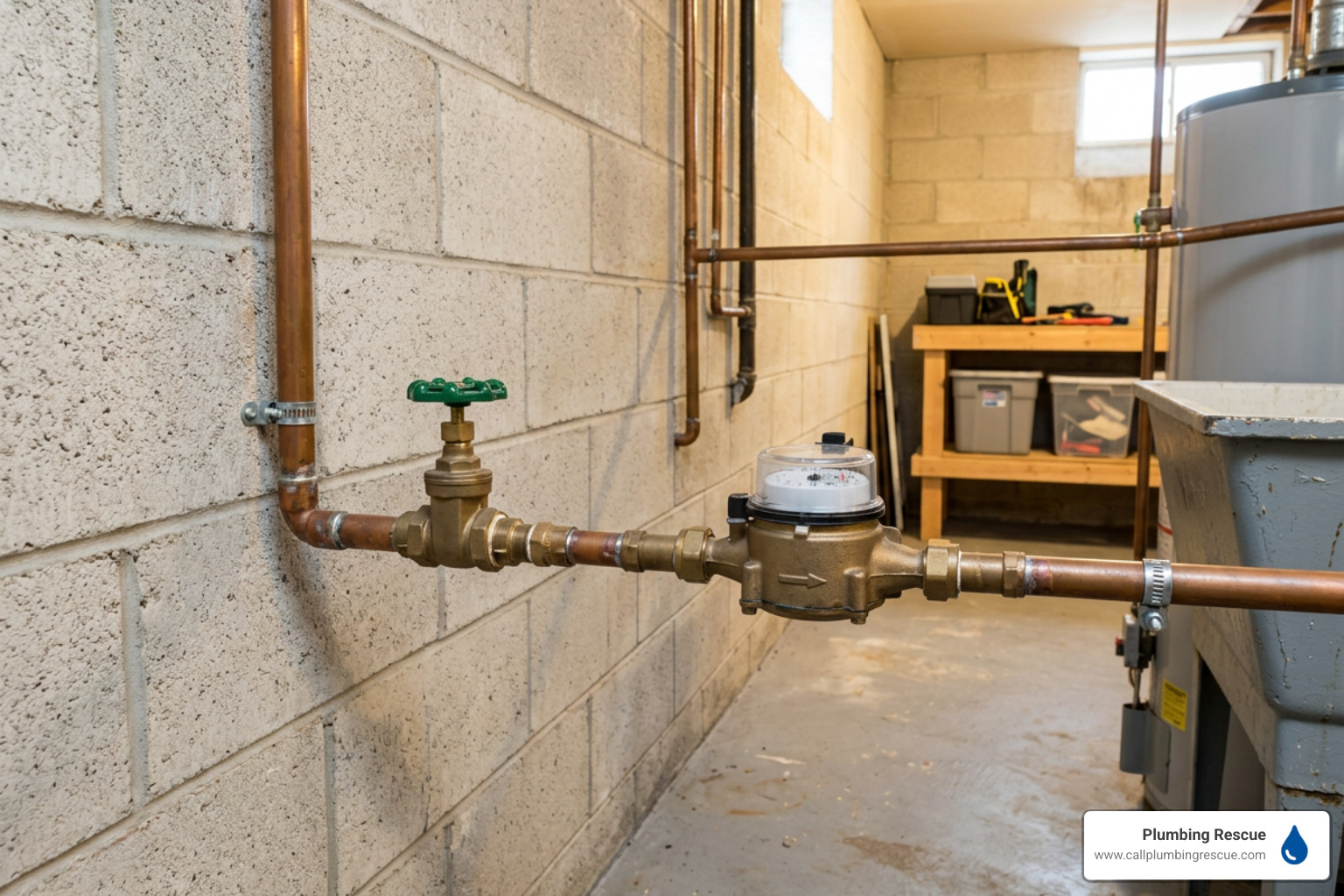
When water is actively flowing into your living spaces, what you do in the 30 to 60 minutes before our technician arrives determines whether you face simple cleanup or total renovation. Follow this logical mitigation process to protect your home.
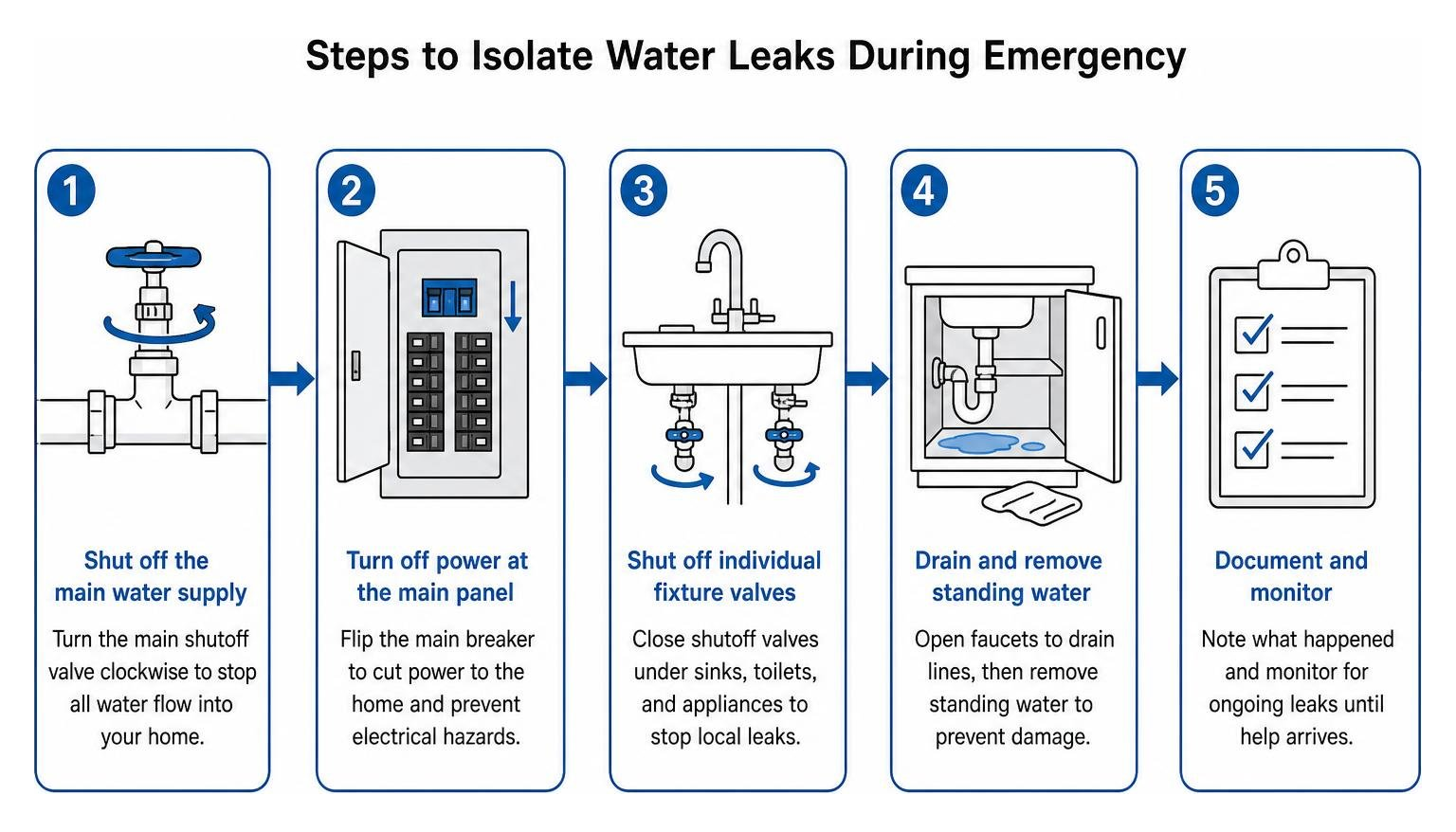
- Locate and Close the Main Water Shutoff Valve:
- Basements/Crawlspaces: Look near the front wall of your foundation where the water main enters the house.
- Utility Closets: Check near your water heater or main pressure regulator assembly.
- Exterior Meter Box: If you cannot find an interior valve, locate the underground valve box near the street curb. Turn the brass gate valve clockwise or set a ball valve handle perpendicular to the pipe.
- Shut Off Power at the Main Electrical Panel: Never step into standing water to reach electrical switches or appliances. If water is seeping through light fixtures or pooling near floor outlets, flip the main breaker to kill power to affected rooms.
- Open Faucets to Relieve Line Pressure: Once the main water valve is closed, open lower-level sinks and hose bibbs to drain remaining water out of internal pipes and down drains rather than through the leak site.
- Extract Standing Water and Contain Spread: Use a wet/dry shop vacuum, mops, or heavy towels to clear pooled water off wood floors, tile, and carpet.
- Document Property Damage Thoroughly: Take clear photos and videos of wet structures, ruined furniture, damaged personal items, and the leak origin point for your insurance adjuster.
How to Isolate Fixtures and Prevent Structural Flooding
If a leak is localized to a single fixture—such as a bursting supply line under a bathroom sink or an overflowing toilet—you don’t necessarily have to shut off water to the entire house.
Look beneath the problematic sink, toilet, or behind your washing machine for dedicated local shutoff valves (often called angle stops). Turn these chrome valves clockwise until tight to stop water flow exclusively to that fixture.
Once isolated, use a wet vacuum or towels to mop up excess moisture. Preventing water from sitting on subflooring stops delamination of plywood and warping of joists. For long-term protection and permanent repairs, scheduling professional water leak repair guarantees that aged, corroded stop valves and flexible hoses are updated to high-pressure braided stainless steel lines.
Why Water Heater Leaks Require Immediate 24 Hour Leak Repair
Water heaters store anywhere from 30 to 80 gallons of water under continuous pressure, heated up to 120°F or higher. When a water heater tank corrodes or suffers pressure relief failures, it can release its entire contents instantly—flooding utility closets, basements, and living spaces.
Water heater tanks fail primarily due to anode rod exhaustion and sediment accumulation. As anode rods degrade over their 8 to 12-year lifespan, corrosive elements in water attack the tank’s internal steel lining. Furthermore, sediment buildup at the tank base creates hot spots that weaken metal welds.
If you notice active water pooling under your tank, turn off power/gas immediately, close the top cold water inlet valve, and call for 24 hour leak repair right away to prevent tank failure or pressure bursts.
Professional Diagnostic and Repair Solutions
When our licensed emergency plumbers arrive at your home, they don’t guess—they execute proven repair strategies tailored to the exact point of failure.
Our standard emergency repair services include:
- Emergency Pipe Patching and Sectional Replacement: Cutting away cracked, corroded, or split pipe sections and replacing them with new PEX or copper lines using high-durability press fittings or welds.
- Water Heater Isolation and Emergency Replacement: Disconnecting failing tanks, capping lines, or installing same-day water heating solutions.
- Non-Invasive Slab Leak Location & Rerouting: Pinpointing subterranean foundation leaks and bypassing damaged under-slab pipes with overhead line rerouting.
- Emergency Main Shutoff & Valve Upgrades: Replacing frozen or leaking main valves with heavy-duty brass ball valves.
- Gas Leak Tracing and Appliance Re-sealing: Testing gas lines with digital pressure gauges and re-sealing appliance connections.
Advanced Non-Invasive Technologies Used in 24 Hour Leak Repair
Gone are the days when locating a hidden pipe leak required tearing down entire drywall sections or jackhammering through hardwood floors on a hunch. Modern emergency plumbers use state-of-the-art diagnostic equipment to pinpoint leak sources to within inches.
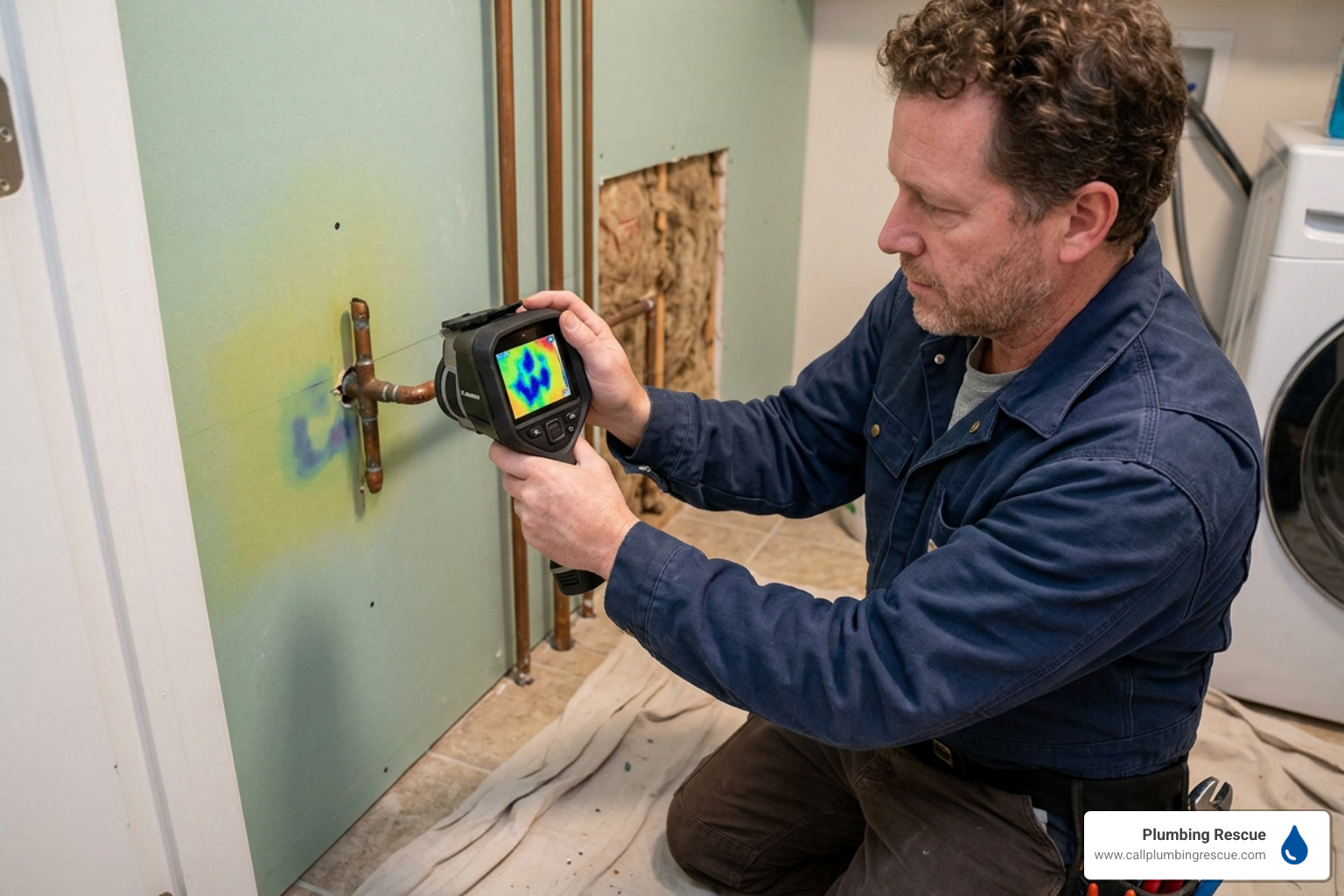
Key diagnostic tools used during high-tech leak repairs include:
- Thermal Imaging Cameras: Infrared cameras detect minute temperature differences caused by escaping hot or cold water behind drywall, ceilings, and under subfloors, displaying visual moisture plumes on digital screens.
- Acoustic Ground Microphones and Listening Devices: Highly sensitive electronic amplifiers detect the physical vibration and sound frequencies created by pressurized water escaping tiny pinholes in hidden pipes.
- Acoustic Sensor Arrays: Digital sound monitors placed across pipe fittings isolate leak noise positions automatically.
- Ground-Penetrating Radar (GPR): Used for subterranean lines, GPR pulses radar waves into concrete slabs and soil to map underground voids and moisture pockets.
- High-Definition Waterproof Video Cameras: Snake cameras fed down drain lines and stack pipes stream real-time visual inspection footage of structural cracks, root penetrations, or separated joints.
If you are dealing with hidden water intrusion in Texas, booking top-rated Austin 24-hour emergency plumbing services guarantees technician crews equipped with these exact diagnostic technologies arrive on site fast.
Emergency Slab and Main Water Line Restorations
Slab leaks—leaks occurring in supply lines encased within or underneath concrete foundation slabs—represent one of the most critical plumbing challenges facing homeowners, particularly in soil-shifting environments across Phoenix and Austin.
When a subterranean pipe fails, plumbing crews evaluate three primary repair methodologies:
- Direct Spot Repair: Plumbers use precision acoustic equipment to locate the exact leak site, break through a targeted 12×12 inch concrete section, fix the damaged pipe joint, and re-pour concrete.
- Overhead Pipe Rerouting: Rather than breaking through finished flooring and concrete slabs, technicians cap the damaged under-slab pipe entirely and run a durable new PEX water supply line up through internal walls and attic spaces. This option minimizes indoor destruction and foundation disruption.
- Trenchless Pipe Lining or Bursting: For main underground yard water lines, trenchless methods draw a new continuous resin pipe liner directly through the damaged line without excavating extensive yard trenches.
Choosing a Fast, Reliable Emergency Plumbing Service
When a pipe bursts at 3:00 AM, you don’t have time to wade through hundreds of ambiguous directory listings. You need a fast, licensed, and proven emergency plumbing team that answers the phone on the first ring.
Here is what sets true 24/7 emergency plumbers apart from standard commercial contractors:
| Service Feature | Standard Plumbing Service | True 24/7 Emergency Plumber |
|---|---|---|
| Response Window | Scheduled 4-hour window (1-3 days out) | 45 minutes to 2 hours target dispatch |
| After-Hours Dispatch | Answering machine / Next morning callback | Live operator dispatch 24/7/365 |
| Truck Inventory | Basic maintenance parts | Fully stocked mobile units for same-visit fixes |
| Diagnostic Tech | Manual inspection / Visual checks | Infrared thermal imaging, acoustic sound tech |
| Warranty Support | Standard 30-day labor | Up to 1-year workmanship warranty guarantees |
Before hiring any emergency contractor, verify that they hold active state licensing, full liability insurance, clear upfront pricing policies, and robust workmanship guarantees.
If you are currently reviewing late-night options, reading our guide on how to find a 24-hour plumber before your house becomes a swimming pool gives you a clear checklist to evaluate contractors quickly under pressure.
Understanding Emergency Costs and Financing Options
It’s no secret that after-hours emergency plumbing carries a price premium over routine scheduled visits. Emergency dispatching requires maintaining fully equipped service fleets, on-call licensed technicians, and round-the-clock dispatch centers on standby during nights, weekends, and major holidays.
Water damage and freezing are consistently among the most common categories of homeowner insurance losses, according to the Insurance Information Institute, which is why fast documentation and mitigation matter during an active leak.
To manage emergency repair investments:
- Inquire About Upfront Estimates: Dependable plumbers provide transparent cost estimates before turning a wrench, so there are no surprises on your final bill.
- Direct Insurance Billing: Because water damage restoration claims average nearly $11,000, reputable emergency plumbing providers work directly with your home insurance adjuster, submitting detailed documentation to streamline claim reimbursement.
- Flexible Financing and Promotional Offers: Look for companies offering seasonal service discounts, senior/veteran promotions, or short-term zero-percent interest financing plans for major emergency repiping jobs.
Frequently Asked Questions About Emergency Leak Repair
Can a leaking water heater actually burst?
Yes, a leaking or damaged water heater can burst under specific high-pressure conditions. While catastrophic tank explosions are rare thanks to modern Temperature and Pressure (T&P) relief valves, severe sediment accumulation, valve corrosion, or extreme internal pressure buildup can cause tank welds to fail violently, dumping dozens of gallons of scalding water in seconds. Any visible water heater leak should be treated as an immediate emergency.
How fast should an emergency plumber arrive during a leak crisis?
Under normal local operating conditions, a true emergency plumbing service targets arrival at your home within 45 minutes to 2 hours of your initial phone call. However, response times can vary during community-wide severe weather events—such as sudden winter freezes in Denver or Indianapolis—when emergency dispatch queues experience high call volumes.
Will homeowner insurance cover 24-hour emergency leak repairs?
Standard homeowner insurance policies typically cover sudden and accidental water damage resulting from burst pipes, water heater ruptures, or appliance line failures. However, policies generally exclude gradual leaks caused by neglected routine maintenance or long-term wear and tear. Having your emergency plumber document the sudden nature of the failure with photos and diagnostic logs greatly assists in securing claim approval.
Conclusion
When pressurized water breaks loose inside your home, every minute spent searching for solutions increases structural damage and repair bills. Rapid 24 hour leak repair is truly the only barrier protecting your property, flooring, and peace of mind from costly flooding.
By knowing how to shut off your main water valve, taking quick mitigation steps, and placing a call to trusted emergency professionals immediately, you can stop water damage in its tracks before minor leaks ruin your home.
Whether you are facing a middle-of-the-night burst pipe, a leaking water heater, or an underground slab leak in Austin, Denver, Indianapolis, or Phoenix, our dedicated team at Plumbing Rescue is standing by 24/7/365 to deploy licensed, equipped technicians directly to your door.
Don’t wait for a small drip to turn into a catastrophe—stop the flood with these expert emergency plumbing services or connect directly with our dispatch team through our main page at Emergency Plumbing Rescue Services to get immediate, professional help right now!
Dealing With This Yourself? Talk to a Licensed Plumber.
Skip the guesswork — get a straight answer from a local pro. Available 24/7, no forms, no waiting.
Call Now: (888) 686-0698