

When a Backed Up Drain Turns Into a Whole-House Emergency
A backed up drain is more than a minor nuisance — it can signal a serious failure somewhere in your home’s plumbing system. And if you’re already seeing water rising from your basement floor drain or sewage smell hitting you the moment you open the door, you need answers fast.
Here’s what’s most likely happening and what to do right now:
| Situation | Likely Cause | First Step |
|---|---|---|
| One slow sink or tub | Local clog (hair, grease, soap) | Plunge or snake that drain |
| Multiple fixtures slow or gurgling | Main sewer line blockage | Stop using all water immediately |
| Sewage backing up through basement floor drain | Main line backup or city sewer overload | Shut off water, call a plumber |
| Backup only happens during heavy rain | Municipal sewer overwhelmed | Contact 311, install backwater valve |
| Toilet bubbles when sink drains | Partial main line blockage | Call a licensed plumber |
If multiple drains in your home are affected at the same time, this is almost never a simple clog. It points to a problem in your main sewer line — the single pipe that carries all wastewater from your home to the city sewer or septic system.
That distinction matters. A lot. Because the fix for a blocked sink drain and a collapsed main sewer line are very different in scope, cost, and urgency.
The average sewage backup causes around $5,000 in property damage — and that’s before factoring in the health risks from bacteria and raw sewage exposure.
This guide walks you through exactly how to diagnose what’s wrong, what to do right now, and when to call for help.
I’m Ben Smith, a digital marketing and growth strategist with over 25 years of experience partnering with service businesses — including plumbing and home services companies — to help homeowners find fast, reliable solutions for urgent problems like a backed up drain. I’ve worked closely with plumbing professionals to understand what homeowners need most when a crisis hits, and I’ve put that knowledge into this guide.

Identifying a Backed Up Drain: Main Line vs. Local Clog
When you see water pooling where it shouldn’t, the first thing we need to determine is the “zone of impact.” Is this a localized skirmish in your guest bathroom, or is it a full-scale invasion of your home’s infrastructure?
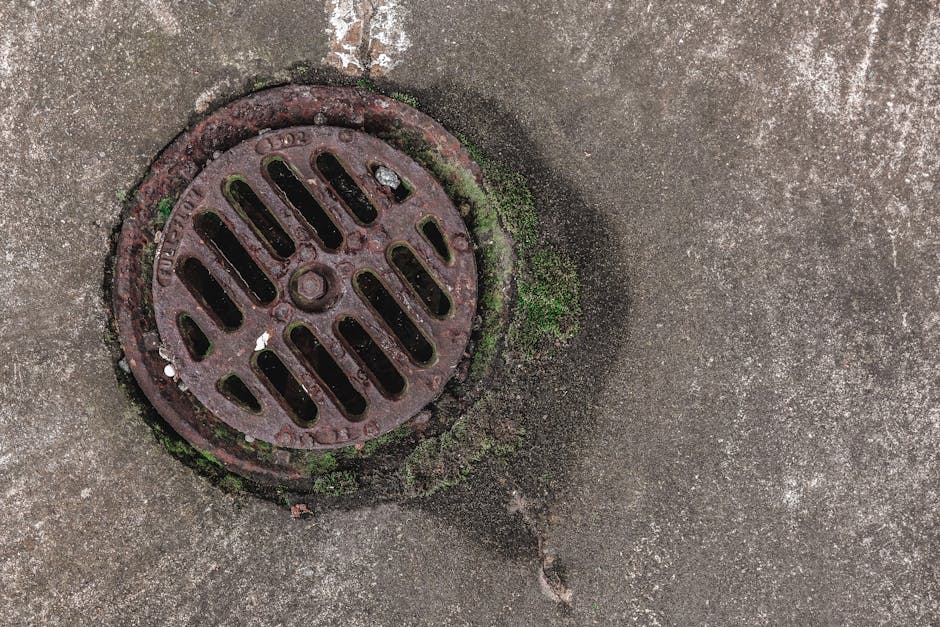
In Council Bluffs, many of our older homes feature basement floor drains. These are designed to be the lowest point in your plumbing system. Their scientific purpose is to act as a safety valve, removing water from flooding or leaks within the basement. However, because they are the lowest point, they are also the first place a backed up drain will manifest when the main sewer line is obstructed.

If you have a local clog, the trouble stays in one spot. If you have a main line issue, you will see “cross-talk” between your fixtures. For example, you might hear your toilet gurgling while the shower is running, or see water rise in the bathtub when the washing machine drains. These are classic signs that the wastewater has “nowhere to go” because the main exit pipe is blocked.
Signs of a Main Sewer Line Issue
A main line blockage is a plumbing emergency. Watch for these specific red flags:
- Multiple Fixtures Involved: If the kitchen sink, the toilet, and the laundry drain are all acting up simultaneously, the problem is deep in the system.
- The Gurgle Factor: When air is trapped in the pipes by standing water, it fights its way out. This creates a distinctive glub-glub sound in your toilets or floor drains.
- Washing Machine Backups: The washing machine discharges a high volume of water very quickly. If your main line is restricted, this surge will often force water up through the nearest floor drain or shower stall.
- Sewage Odors: A pungent, “rotten egg” smell of raw sewage is often the first warning sign before you even see standing water.
How to Test for a Main Line Blockage
If you suspect a main line issue, you can perform a simple “stress test” (though we recommend having a bucket and towels ready!):
- The Sink Flush: Run the water in your bathroom sink for two minutes. While it’s running, watch the water level in the nearby toilet. If the toilet water rises or bubbles, you have a main line restriction.
- The Toilet Test: Flush the toilet and listen to the shower drain. If you hear gurgling or see water entering the shower pan, the blockage is downstream of both fixtures.
- Floor Drain Observation: Check the floor drain in your basement. If there is standing water around the grate or a visible “backflow” of dark, murky water, your main sewer line is likely completely blocked.
Why Your Sewer System Fails: Roots, Rain, and Residue
Why does a perfectly good pipe suddenly become a backed up drain? In our experience serving the Council Bluffs area, the causes usually fall into three categories: nature, weather, and human habits.
Tree roots are a leading cause of sewer failure, especially in neighborhoods with mature landscaping. Roots naturally seek out moisture, and the tiny condensation on the outside of a sewer pipe is like a beacon. Once they find a small crack—common in older clay or cast-iron pipes—they enter and grow into a thick “root ball” that acts like a net, catching toilet paper and debris until the pipe is fully choked.
The Impact of Heavy Rainfall on a Backed Up Drain
Heavy rainfall is a major trigger for basement flooding in our region. When the ground becomes saturated, or when the municipal sewer system becomes overwhelmed by storm runoff, the pressure can force water backward into residential lines.
If your basement floor drain begins to overflow specifically during a downpour, it may be a sign of “surcharge.” This happens when the city’s sanitary sewer reaches capacity and pushes wastewater back toward the lowest point in your home. High water tables can also exert hydrostatic pressure on your foundation and pipes, leading to infiltration through small cracks.
Common Household Culprits
Sometimes, the call is coming from inside the house. We often see backups caused by things that should never have been flushed or poured away.
- FOG (Fats, Oils, and Grease): It might be liquid when you pour it down the kitchen sink, but as grease cools, it solidifies into a waxy substance that coats the inside of your pipes. Over time, this narrows the opening until a total blockage occurs. You can protect your pipes from grease and oils by capturing them in a jar and throwing them in the trash instead.
- “Flushable” Wipes: Despite the labeling, these wipes do not break down like toilet paper. They stay intact and become the structural foundation for massive clogs.
- Feminine Products and Paper Towels: These are designed to absorb water and expand, which is exactly what you don’t want happening inside a 4-inch sewer pipe.
Emergency Response to a Backed Up Drain in the Basement
If you walk downstairs and find your basement floor covered in water, don’t panic—but do act quickly. Raw sewage is a “Category 3” water loss, meaning it contains significant pathogens and poses a real health hazard.
Immediate Steps to Mitigate Damage
- Stop the Water: Shut off the main water valve to the house immediately. This prevents anyone from accidentally flushing a toilet or running a faucet, which would only add to the volume of the backup.
- Isolate the Area: Keep children and pets away from the basement. Do not walk through the water without protective gear.
- Electrical Safety: If the water is deep enough to reach electrical outlets or your furnace/water heater, do not enter the basement. Call the utility company to shut off power to the area first.
- Ventilate: Open windows to allow fresh air to circulate and help dissipate the sewer gas odors.
Cleanup and Health Safety Protocols
Once the water has been cleared by a professional, the real work of sanitization begins.
- PPE is Mandatory: Wear rubber boots, gloves, and eye protection.
- Disinfect Everything: Use a solution of bleach and water (usually 1 cup of bleach per gallon of water) to scrub all non-porous surfaces.
- Discard Porous Materials: Unfortunately, items like carpet, padding, drywall, and insulation that have been soaked in sewage usually cannot be saved and must be disposed of to prevent mold and bacterial growth.
- Health Risks: Sewage can contain E. coli, Salmonella, and various viruses. If you feel ill after a backup, seek medical attention immediately.
Professional Solutions for a Severe Backed Up Drain
While a plunger might fix a simple toilet clog, a backed up drain in the main line requires heavy-duty equipment. DIY attempts on a main line often fail because the obstruction is hundreds of feet away or consists of solid material like tree roots that a hand-held snake can’t touch.
Why DIY Methods Often Fail
Chemical drain cleaners are particularly dangerous for main line issues. They are highly corrosive and can damage older pipes, and if they don’t clear the clog, you’re left with a pipe full of caustic acid that makes it dangerous for a plumber to work on. Furthermore, if your pipe has collapsed or been crushed by shifting soil, no amount of liquid cleaner will fix a structural failure.
Advanced Diagnostic Technology
We use the latest technology to ensure we aren’t just guessing at the problem.
- Sewer Camera Inspection (CCTV): We feed a waterproof, high-definition camera into the line. This allows us to see exactly what is causing the blockage—whether it’s a root intrusion, a “belly” in the pipe where water pools, or a complete collapse.
- Hydro Jetting: This is essentially pressure washing for the inside of your pipes. It uses high-pressure water (up to 4,000 PSI) to blast away grease, scale buildup, and even small tree roots, restoring the pipe to its original diameter.
- Mechanical Snaking: For solid obstructions, we use heavy-duty power augers with specialized cutting blades to chew through roots and debris.
Preventing Future Floods and Property Damage
Once your system is flowing again, the goal is to make sure you never have to deal with a backed up drain ever again. Prevention is significantly cheaper than restoration.
Installing a Backwater Valve
For many Council Bluffs homeowners, a backwater valve is the single best investment they can make. This device is installed on your main sewer line. It features a flap that allows waste to flow out of your house but closes automatically if it senses water trying to flow back in from the city sewer.
| Feature | Backwater Valve | Backflow Preventer |
|---|---|---|
| Primary Use | Prevents sewage from entering via drains | Prevents contaminated water from entering the clean water supply |
| Location | Main sewer line (under basement floor) | On the main water service line |
| Operation | Automatic flap/gate | Series of check valves |
| Protection | Protects against sewer surcharge/floods | Protects the purity of your drinking water |
Long-Term Maintenance Habits
- Annual Inspections: Have a professional perform a camera inspection every 1–2 years, especially if you have mature trees on your property.
- Mindful Flushing: Treat your toilets like they are only for human waste and toilet paper. Everything else goes in the trash.
- Lint Traps: Install a mesh lint trap on your washing machine discharge hose to prevent fabric fibers from building up in your main line.
- Landscaping: If you’re planting new trees, choose slow-growing species and keep them at least 10 feet away from the path of your sewer line.
Frequently Asked Questions about Sewer Backups
How can I tell if the backup is the city’s responsibility?
If you suspect the issue is with the municipal line, talk to your neighbors. If multiple houses on your block are experiencing a backed up drain at the same time, the problem is likely in the city’s main. In Council Bluffs, you can contact the city’s public works department or call 311 to request an investigation. They will check the city-side cleanout to determine where the blockage lies.
Is a sewage backup covered by homeowners insurance?
Standard homeowners insurance policies often do not cover sewer backups unless you have a specific “Sewer Backup Endorsement.” We highly recommend checking your policy. This endorsement usually covers the cost of cleanup and the replacement of damaged property, which can save you thousands in the event of a disaster.
How much does it cost to fix a main sewer line?
The cost varies wildly depending on the solution.
- Professional Drain Cleaning: Mechanical snaking or hydro jetting typically ranges from $200 to $600.
- Spot Repairs: If a small section of pipe is damaged, repairs might cost between $1,000 and $3,000.
- Full Replacement: If the entire line has collapsed, replacement can cost $5,000 to $15,000, depending on the depth of the pipe and whether excavation is required under driveways or landscaping.
Conclusion
A backed up drain is a stressful, messy, and potentially dangerous situation, but it doesn’t have to ruin your home. By recognizing the warning signs early—like gurgling toilets or slow-draining showers—you can catch a main line issue before it turns into a basement flood.
At Plumbing Rescue Network, we understand that plumbing emergencies don’t stick to a 9-to-5 schedule. That’s why we provide 24/7 emergency services in Council Bluffs, IA. Whether you’re dealing with a mysterious sewage smell or a full-scale floor drain overflow, our rapid call routing connects you with local technicians who can get your life back to normal fast.
Don’t wait for the water to rise. If your drains are acting up, give us a call today. For more information on how we handle these issues in other areas, you can also check out our Denver services.
Dealing With This Yourself? Talk to a Licensed Plumber.
Skip the guesswork — get a straight answer from a local pro. Available 24/7, no forms, no waiting.
Call Now: (888) 686-0698