

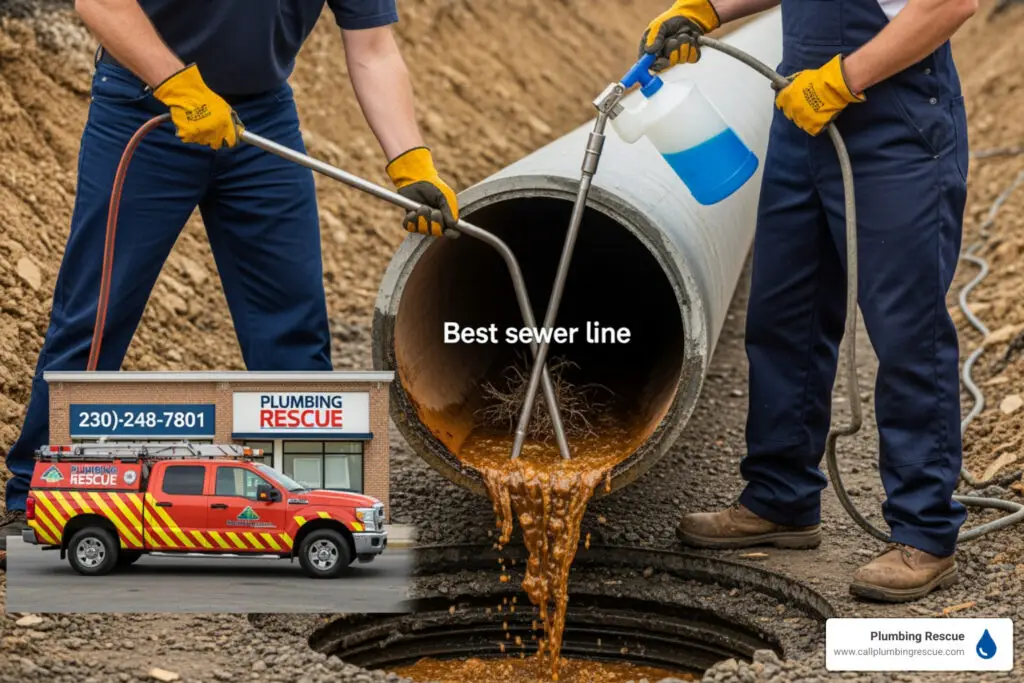
When Your Drains Back Up: Finding the Best Sewer Line Cleaner Fast
If you need the best sewer line cleaner right now, here are the top picks:
| Product | Best For | Type |
|---|---|---|
| Roebic K-97 | Paper, sludge, grease | Bacteria-enzyme |
| Dr. Pooper Accelerator | Septic systems | Bio-accelerator |
| Zep Professional Alkaline Drain Opener | Heavy grease clogs | Alkaline chemical |
Grease buildup is the leading cause of blocked drains and sewer line breaks in home plumbing. It coats pipe walls, traps debris, and slowly chokes your system — until one day nothing drains at all.
That moment is stressful. Especially when it happens at night, on a weekend, or right before guests arrive.
The good news: the right sewer line cleaner can stop the problem before it becomes a plumbing emergency. But not all cleaners work the same way — and some can actually damage your pipes while you wait for results.
This guide cuts through the noise so you know exactly what to buy and what to avoid.
My name is Ben Smith, and I’ve spent over 25 years helping homeowners and service businesses make smarter, research-backed decisions — including finding the best sewer line cleaner for their specific plumbing setup. I’ll walk you through what actually works, based on real product testing data and plumber recommendations.

Important best sewer line cleaner terms:
How to Choose the Best Sewer Line Cleaner for Your Home
Choosing the best sewer line cleaner isn’t just about grabbing the heaviest bottle with the flashiest label off the hardware store shelf. The wrong choice can lead to warped PVC, corroded metal, or a completely dead septic tank system. To make an informed decision, you must understand the key selection criteria that professional plumbers use when evaluating these products.
When we evaluate drain and sewer maintenance solutions, we balance three primary factors: chemical vs. biological composition, pipe material safety, and speed of action.
Chemical vs. Biological: Understanding the Science
Chemical drain cleaners work via aggressive chemical reactions. They are typically divided into acid-based and alkaline-based products. These formulas are designed to dissolve organic matter, hair, and grease almost instantly. However, they are highly corrosive and release toxic fumes.
On the other hand, biological cleaners utilize living bacteria or concentrated enzymes. These microscopic helpers don’t burn through clogs; they eat them. Enzymatic cleaners convert grease, soap scum, and hair into harmless carbon dioxide and water. While they take longer to work—often requiring several hours or overnight applications—they are completely non-toxic and provide ongoing protection.
For a deeper dive into how these different formulas stack up for standard household drains, check out The Ultimate Guide to the Best Drain Cleaners on the Market.
Pipe Safety and Material Compatibility
Before pouring any product down your toilet or cleanout, you must know what your pipes are made of.
- Older Homes (Pre-1990s): Homes in historic districts of Indianapolis or older Denver neighborhoods often feature cast iron, copper, or galvanized steel main lines. Acidic or highly caustic chemical cleaners are incredibly dangerous for these materials, as they accelerate corrosion and can cause catastrophic pipe failure.
- Modern Homes: Newer properties in Phoenix and Austin typically utilize PVC or ABS plastic sewer lines. While plastic resists chemical corrosion better than metal, the intense heat generated by certain caustic chemical reactions can actually warp or soften plastic pipes, leading to joint leaks.
Comparative Analysis of Cleaner Types
| Feature | Chemical Cleaners | Enzymatic Cleaners | Bio-Accelerators |
|---|---|---|---|
| Primary Active Agent | Sodium Hydroxide / Sulfuric Acid | Live Bacteria & Enzymes | Natural Bio-Stimulants |
| Action Speed | Rapid (15 to 30 minutes) | Slow (8 to 24 hours) | Moderate (24 to 48 hours) |
| Septic System Safe | No (Kills beneficial bacteria) | Yes (Enhances natural biology) | Yes (Highly recommended) |
| Pipe Corrosion Risk | Extremely High | Zero Risk | Zero Risk |
| Best Used For | Emergency localized clogs | Preventative maintenance | Sludge reduction & odor control |
Top-Rated Sewer Line Cleaners Reviewed
When a main sewer line starts running sluggishly, DIY maintenance is your first line of defense before calling in a professional hydro-jetting crew. We have reviewed the top-rated sewer line cleaners on the market to help you choose the right product for your specific plumbing setup.

Roebic K-97: The Best Sewer Line Cleaner for Paper and Sludge
If your household deals with slow-running main lines due to heavy toilet paper usage or sludge buildup, Roebic K-97 Main Line Cleaner is an exceptional biological solution.
Unlike harsh chemicals that wash away instantly, Roebic K-97 utilizes specialized, patented bacteria cultures that actively digest paper, fats, grease, and heavy organic sludge. This product is especially useful for modern homes equipped with low-flow toilets. While low-flow toilets are great for conserving water in arid climates like Phoenix, they often lack the water volume required to push solid waste completely out to the municipal main, leading to dry sludge accumulation in your sewer lateral.
- How to Use: Shake the bottle thoroughly. Pour 8 ounces of the liquid directly into your toilet bowl and flush. For best results, repeat this process for four consecutive days when water usage is at its lowest (such as right before bed).
- Safety Profile: It is completely safe for all types of plumbing pipes, including older cast iron and modern PVC. It is also 100% safe for septic systems, as it replenishes the natural bacteria needed to break down waste.
Dr. Pooper Accelerator: The Best Sewer Line Cleaner for Septic Systems
For homeowners operating on septic systems—common in the outlying areas of Austin, Denver, and Indianapolis—maintaining the delicate biological balance of your septic tank is critical. Accelerator by Dr. Pooper is not a traditional enzyme or bacterial additive. Instead, it is a commercial-strength bio-accelerator.
Rather than introducing foreign bacteria to your system, Dr. Pooper’s formula contains natural bio-stimulants that accelerate the reproduction and activity of your system’s existing natural bacteria by up to 40 times. This rapid multiplication allows the native bacteria to quickly liquefy organic solids, clear out heavy grease caps, and eliminate foul odors at the source.
- Key Benefits: It is non-toxic, all-natural, and safe for all plumbing materials, including iron, PVC, and ceramic. Regular use can dramatically reduce the accumulation of scum and sludge, saving you hundreds of dollars in premature septic pumping fees.
- Application: Simply flush the recommended dosage down your toilet. It works efficiently in both aerobic and anaerobic septic environments.
Zep Professional Alkaline Drain Opener: Best for Heavy Grease
When you are facing an emergency slowdown caused by thick kitchen grease, soap scum, or heavy organic blockages, biological cleaners may work too slowly. For these non-septic, heavy-duty situations, Zep Professional Alkaline Drain Opener is the professional choice.
This high-pH, non-acidic formula is designed to convert thick grease and organic deposits into easily flushable liquids through a chemical process called saponification (essentially turning the grease into soap). Because it is alkaline rather than acidic, it is less destructive to metal pipes than sulfuric acid cleaners, though it must still be handled with extreme caution.
- Safety Warning: Never mix this product with acids or other drain cleaners. Always wear protective goggles and heavy-duty rubber gloves. Because of the potential for chemical eruptions, immediately place an inverted bucket or deep container over the drain opening after pouring the product.
- Application: Pour 2 to 4 ounces directly into the clogged drain. Let it sit for 10 to 15 minutes, then flush thoroughly with cold water.
The Hidden Risks of Chemical Drain Cleaners on Home Plumbing
While chemical drain cleaners promise a quick 15-minute fix, professional plumbers almost universally advise against using them in residential sewer lines. The chemical reactions that make these products effective at dissolving hair and grease are the exact same reactions that destroy your home’s infrastructure.

When you pour a strong chemical cleaner down a backed-up line, it doesn’t just pass through. If there is a stubborn clog, the chemical sits directly on top of the obstruction, concentrating its corrosive power on a single section of your pipe.
1. Intense Heat Generation (Thermal Shock)
Many chemical cleaners rely on exothermic reactions to melt grease. This process generates extreme heat. In PVC and ABS plastic pipes, this heat can easily exceed the material’s thermal limits, causing the pipes to soften, warp, or collapse. In older metal pipes, the sudden temperature spike can cause thermal shock, cracking brittle cast iron.
2. Accelerated Corrosion and Pitting
Chemical cleaners are highly acidic or highly alkaline. When they contact metal pipes—especially galvanized steel or copper—they strip away protective oxidization layers. Over time, repeated use leads to deep pitting, thinning pipe walls, and eventually pinhole leaks hidden behind your drywall or beneath your concrete slab.
3. Destruction of Rubber Seals and Gaskets
Your plumbing system relies on rubber gaskets, slip-joint washers, and neoprene seals to keep connections watertight. Chemical cleaners quickly degrade these elastomeric materials, turning a simple clog into a multi-pipe replacement project.
To understand how to address these stubborn blockages without destroying your home’s infrastructure, read our guide on Smart Solutions for Every Blocked Drainage System.
Frequently Asked Questions About Sewer Line Maintenance
What do professional plumbers recommend instead of Drano?
Professional plumbers generally recommend avoiding harsh chemical brands like Drano due to their corrosive properties and the risk of permanent pipe damage. Instead, professionals recommend using biological, enzyme-based cleaners for routine maintenance, or mechanical tools for active clogs.
If you have a complete blockage, using a mechanical drain snake, toilet auger, or professional hydro-jetting service is the safest and most effective solution. Hydro-jetting uses high-pressure water to physically scour the inside of your pipes, removing 100% of grease and root intrusions without introducing harmful chemicals to the environment.
To learn more about what professional clearing methods involve and what you should expect to pay, explore The Ultimate Guide to Blocked Pipes and What a Plumber Should Actually Cost.
Are enzymatic sewer line cleaners safe for older pipes?
Yes, enzymatic and bacterial cleaners are 100% safe for all types of plumbing, including older cast iron, copper, and clay sewer pipes. Because they rely on natural biological processes rather than chemical reactions, they do not generate heat and cannot corrode metal or warp plastic.
Products like Zep-O-Zyme use highly active enzyme cultures to naturally liquefy fats, proteins, cellulose, and starches. These formulas are completely biodegradable, non-corrosive, and environmentally friendly, making them the perfect choice for regular preventative maintenance in older homes across Denver, Indianapolis, and Austin.
How can I prevent recurring sewer line clogs naturally?
Preventing sewer line clogs naturally is highly effective and saves you thousands of dollars in emergency plumbing repairs. Use these three simple habits to keep your lines clear:
- The Hot Water Flush: Once a week, pour a kettle of boiling water down your kitchen sink followed by a healthy squirt of grease-cutting dish soap. This helps liquefy and flush away grease before it can cool and solidify on your pipe walls.
- Use Mesh Strainers: Place fine mesh strainers over all shower, tub, and utility sink drains. This physically stops hair, lint, and food debris from entering your sewer system in the first place.
- Monthly Enzyme Treatments: Treat your drains once a month with a high-quality biological cleaner. This keeps a healthy colony of waste-eating bacteria active in your lines, continuously consuming organic buildup before it can form a blockage.
Conclusion
Finding the best sewer line cleaner depends entirely on your plumbing system’s age, material, and whether you are connected to a municipal sewer or a private septic tank. While chemical openers offer temporary speed, biological and enzymatic cleaners provide the safe, long-term, preventative care your pipes need to remain clog-free.
However, if your drains are completely backed up, standing water is filling your fixtures, or you suspect a structural sewer line break, DIY products won’t solve the problem. You need professional intervention before sewage backs up into your home.
At Plumbing Rescue, we provide 24/7 emergency plumbing services, including rapid drain clearing, camera inspections, and sewer line repairs. We serve homeowners across our primary service areas:
- Austin, TX
- Denver, CO
- Indianapolis, IN
- Phoenix, AZ
Our rapid call routing connects you directly to a licensed local technician in your neighborhood, day or night. Don’t let a slow drain turn into a costly nightmare.
- Learn how to choose the right local help by reading Don’t Let a Clog Ruin Your Day Hiring Local Pros.
- If you are facing an active plumbing crisis right now, contact our 24 Hr Drain Service for When Life Gets Clogged.
- For all other routine maintenance, inspections, and professional plumbing advice, visit Plumbing Rescue today to schedule your service.
Dealing With This Yourself? Talk to a Licensed Plumber.
Skip the guesswork — get a straight answer from a local pro. Available 24/7, no forms, no waiting.
Call Now: (888) 686-0698