
How to Clear a Blocked Bath Drain
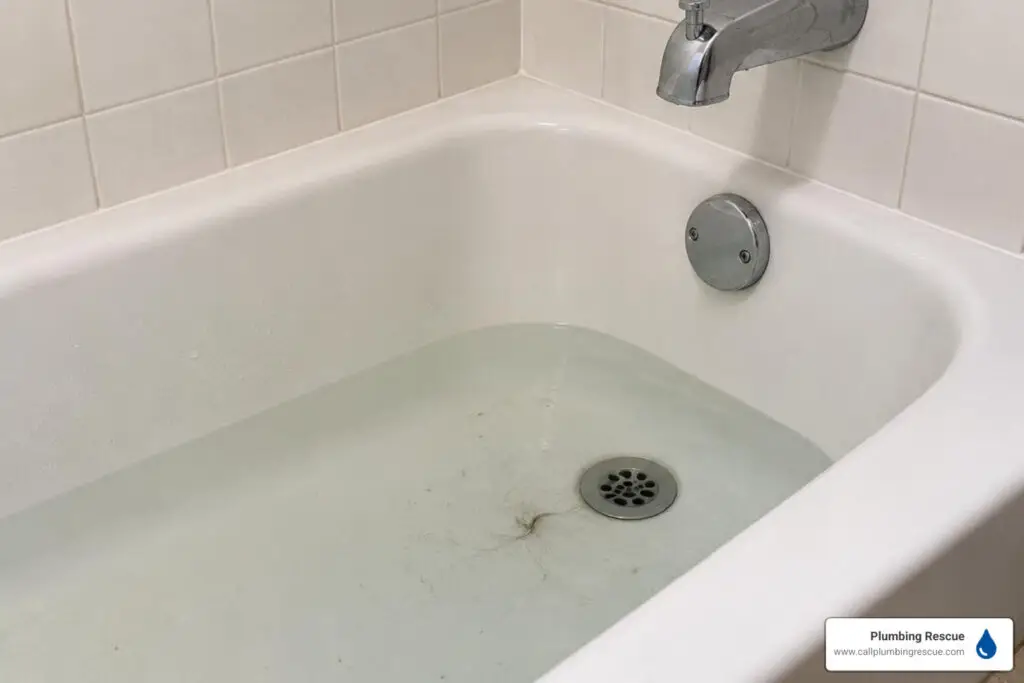
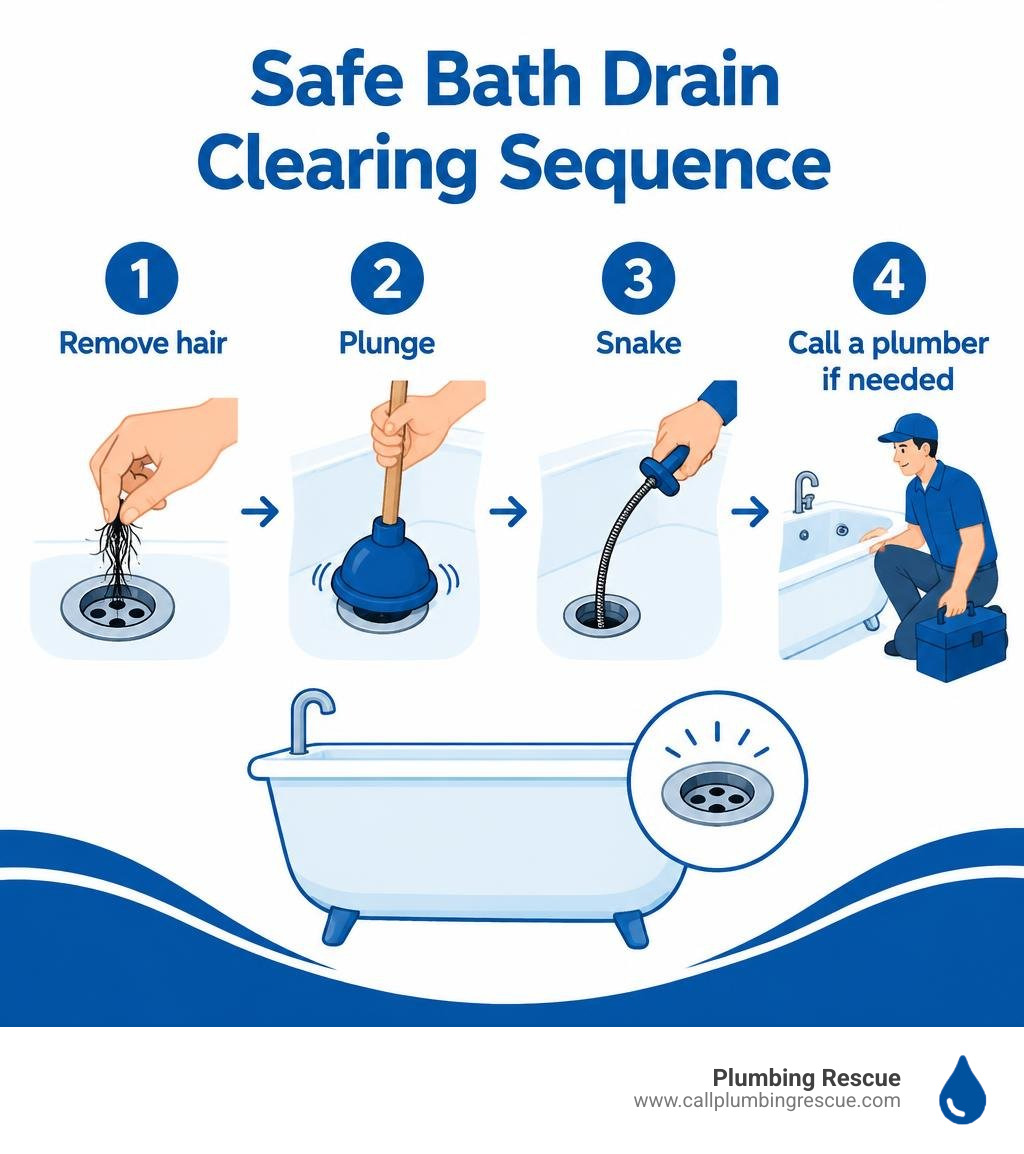
For blocked bath drains, remove the stopper and pull out any visible hair first. If the bath still will not drain, seal the overflow opening with a damp cloth and use a cup plunger. Try a hand drain snake if plunging does not work. Do not add chemical cleaner to standing water. If other drains are backing up, stop using water and call a plumber.
Hair mixed with soap residue is a common cause, so a simple tool may be enough to clear a bath-only clog.
I’m Ben Smith, a digital marketing consultant with more than 25 years of experience helping service businesses share useful information. For searches like “blocked drains bath,” I focus on clear steps that help homeowners know what to try and when to get help.
Common blocked drains bath vocab:
Why blocked bath drains happen and what to check first
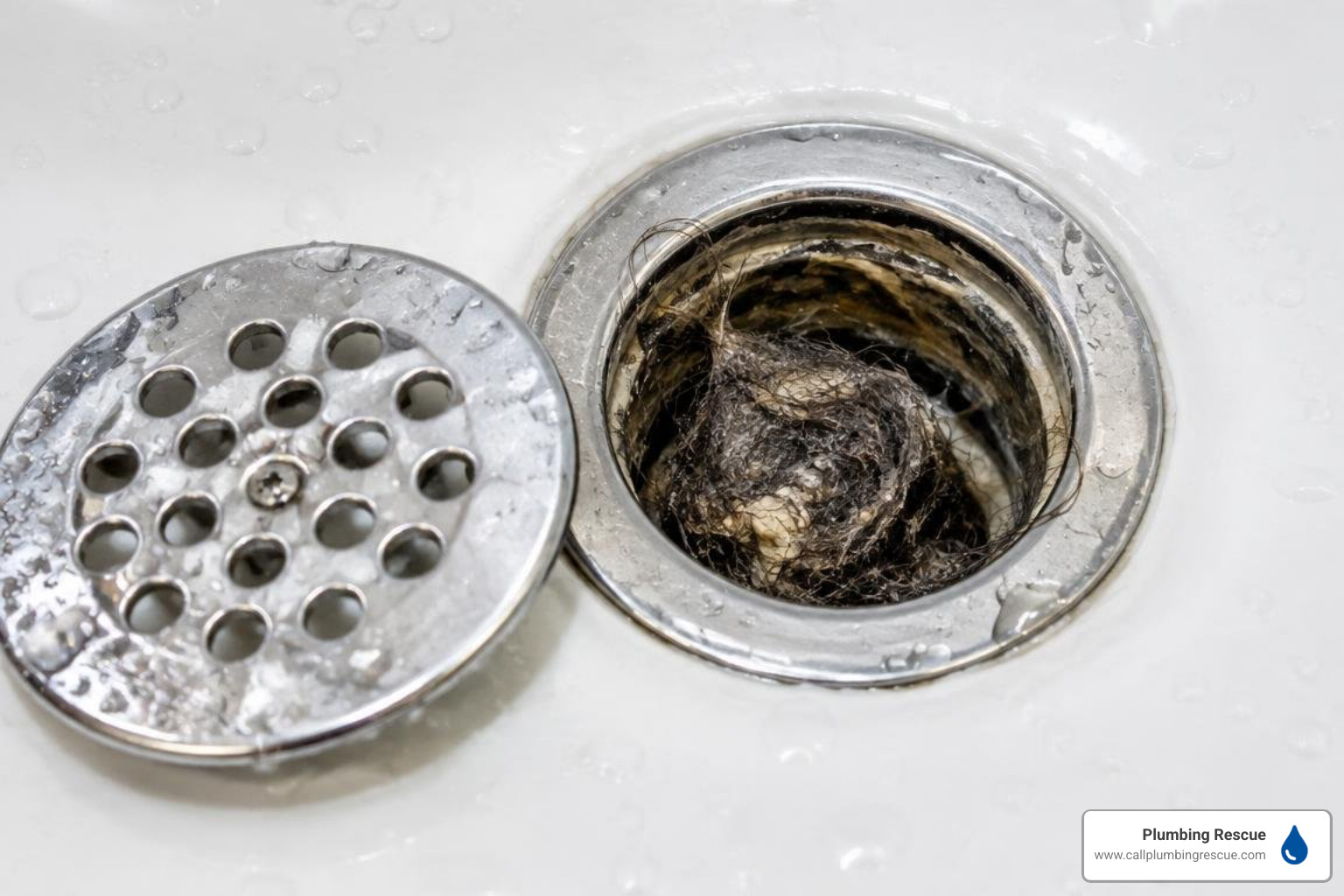
Most bath clogs are a mix of hair, soap, skin and body oils. They collect in the plughole and in the trap below it. The trap is the curved pipe under the tub that holds a little water to block sewer smells. Debris catches there easily.
If the water is rising and you feel stuck, we can help. You can get help with an urgent drain problem and we’ll connect you with a local plumber. Plumbing Today is a free referral service, and the plumbers are independent businesses.
Common causes and warning signs
Here are the usual causes:
- Hair at the strainer or trap. Hair can snag on the crossbar under the drain cover. It can also collect in the trap and the pipe leading away from it.
- Soap buildup. Soap coats the inside of the pipe. Dirt sticks to the soap, then more soap sticks to the dirt. Over time the opening gets much smaller. In heavily used tubs, it can harden into something like clay.
- Foreign objects. Dental floss, toilet paper, jewelry and small toys can get stuck in the trap.
- Hard-water minerals. In areas with hard water, calcium and magnesium can build up inside pipes and narrow the passage.
- Rust and corrosion. Old metal pipes can rust, and the buildup slows the flow.
- A faulty stopper or trip lever. The trip lever is the handle on the overflow plate. Its linkage can slip or corrode. Then the plunger part inside the overflow pipe can drop and block the water, even when the pipes are clear.
- Poor venting. A vent lets air into the drain system so water can flow out. Without enough air, water drains slowly and can make gurgling sounds. It can also cause repeat backups.
Watch for these warning signs:
- Water drains slower and slower
- Standing water that stays after a bath
- Gurgling noises or bubbles
- A moldy or mildew smell, which can point to a hair blockage
- A sewer-gas smell, which can point to a deeper blockage
- Other sinks, showers or toilets that are slow too
- A clog that keeps coming back
First steps when the bath will not drain
Start with the simple checks. Take your time.
- Stop adding water. If wastewater is backing up from other drains, do not run more water. Skip the DIY steps below and call a plumber.
- Put on gloves and eye protection. Dirty water can splash.
- Remove the plug or stopper. A pop-up plug may need a flathead screwdriver to lift out.
- Lift out visible hair and debris. It is not pleasant, but it often fixes the problem.
- Check the stopper. Make sure it moves freely. If it stays jammed, the linkage may need adjusting or replacing.
- Test the water. Run a little and see if it drains.
- Check other fixtures. If only the bath is slow, the clog is probably in its own pipe or trap. If sinks or toilets are slow, gurgling or smelly, the clog may be further along a shared pipe. That usually needs a professional.
How to clear blocked bath drains safely
Use the gentlest method first and work upward. You will need gloves, a cup plunger, a hand drain snake, a damp cloth, and a screwdriver. A plastic hair-removal strip is also handy. For more ideas, see our guide on how to clear a bathroom drain. This Old House also shows safe bathtub drain-clearing steps.
How to use a plunger for blocked bath drains
A plunger can work well when you plunge as soon as the bath starts draining slowly.
- Use a cup-style sink plunger, not a toilet plunger. The toilet type has a different shape and seals poorly on a flat tub floor.
- Run the plunger under hot tap water for a moment to soften it.
- Add enough water to cover the cup.
- Block the overflow opening with a damp cloth. This sends the pressure down the drain instead of out the overflow.
- Place the cup over the drain and plunge straight up and down for about 30 seconds.
- Pull the plunger away and see if the water moves.
- Repeat a few times, then test the drainage.
Never plunge if you have poured chemical cleaner into the drain. It can splash onto your skin and clothes.
How to snake blocked bath drains through the overflow
A drain snake, also called an auger, is a long, flexible steel cable on a handle. It hooks or breaks up a clog. A hand-cranked one from a hardware store is enough for most baths. Going in through the overflow is often easier than the drain opening. It gives a straighter path and avoids the stopper parts.
- Wear gloves. Place a towel and paper towels nearby.
- Unscrew the overflow plate under the faucet. Keep the screws away from the drain.
- Gently pull out the stopper linkage. Wipe away hair and soap. Check that it moves freely.
- Feed the snake slowly into the overflow opening. Many tubs need around 30 inches of cable.
- Turn the handle and push gently until you feel the clog.
- Turn the snake to catch the debris. Then withdraw it slowly to pull the clog out.
- Repeat if needed. A little running water can help flush loose debris.
- Clean the snake. Put the linkage and plate back.
- Flush with hot tap water for a minute or two.
Do not force the cable. Do not attach it to a power drill. Older plumbing can be delicate. If the snake will not move past a point, stop and call a plumber.
How to unblock a bath without a plunger
No plunger? Try these.
- Remove hair by hand. Use a plastic drain-clearing strip or your gloved fingers.
- Try washing-up liquid. Add a good squirt of dish soap, then follow with hot tap water. This can help light soap and grease buildup. Hot tap water is kinder to plastic pipes than boiling water.
- Use baking soda and vinegar for mild residue only. Pour in two tablespoons of baking soda, then a cup of white vinegar. Let it fizz for about five minutes. Flush with hot tap water.
Be realistic about that last one. The fizz may loosen light residue. It does not dissolve hair. It will not clear a solid clog. It can be handy as a monthly flush for slow drains, but it is not a rescue for a stopped-up tub.
Chemical cleaners, professional help and prevention
Chemical drain cleaners can seem like an easy answer. Many plumbers advise caution, and here is why:
- Strong caustic cleaners can damage some pipes and tub finishes.
- They can burn skin and eyes.
- They give off fumes. Keep the room ventilated.
- Never mix products. Mixing bleach, vinegar or other cleaners can release toxic gases.
- Do not pour chemicals into standing water. They cannot reach the clog well, and the water can splash back.
- If a chemical sits behind a clog, it can hurt a plumber who works on the line later. If you used one, tell the plumber.
If you want to compare options, our guide to clogged-drain solutions can help. You can also see these bathroom drain fixes.
When it is time to call a professional
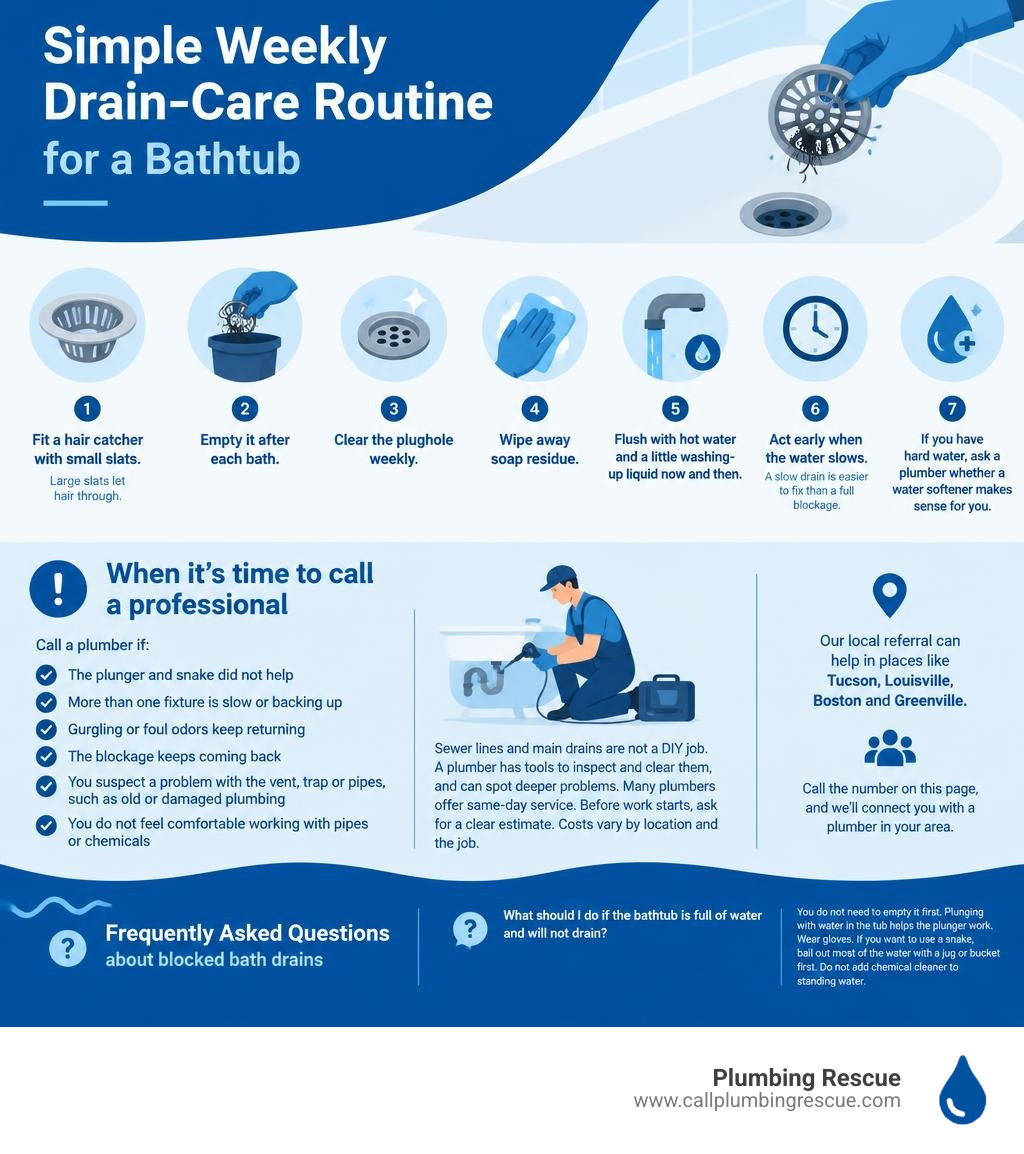
It is fine to stop DIY. Call a plumber if:
- The plunger and snake did not help
- More than one fixture is slow or backing up
- Gurgling or foul odors keep returning
- The blockage keeps coming back
- You suspect a problem with the vent, trap or pipes, such as old or damaged plumbing
- You do not feel comfortable working with pipes or chemicals
Sewer lines and main drains are not a DIY job. A plumber has tools to inspect and clear them, and can spot deeper problems. Many plumbers offer same-day service. Before work starts, ask for a clear estimate. Costs vary by location and the job.
Our local referral can help in places like Tucson, Louisville, Boston and Greenville. Call the number on this page, and we’ll connect you with a plumber in your area.
How to prevent the next bath drain clog
A few small habits go a long way:
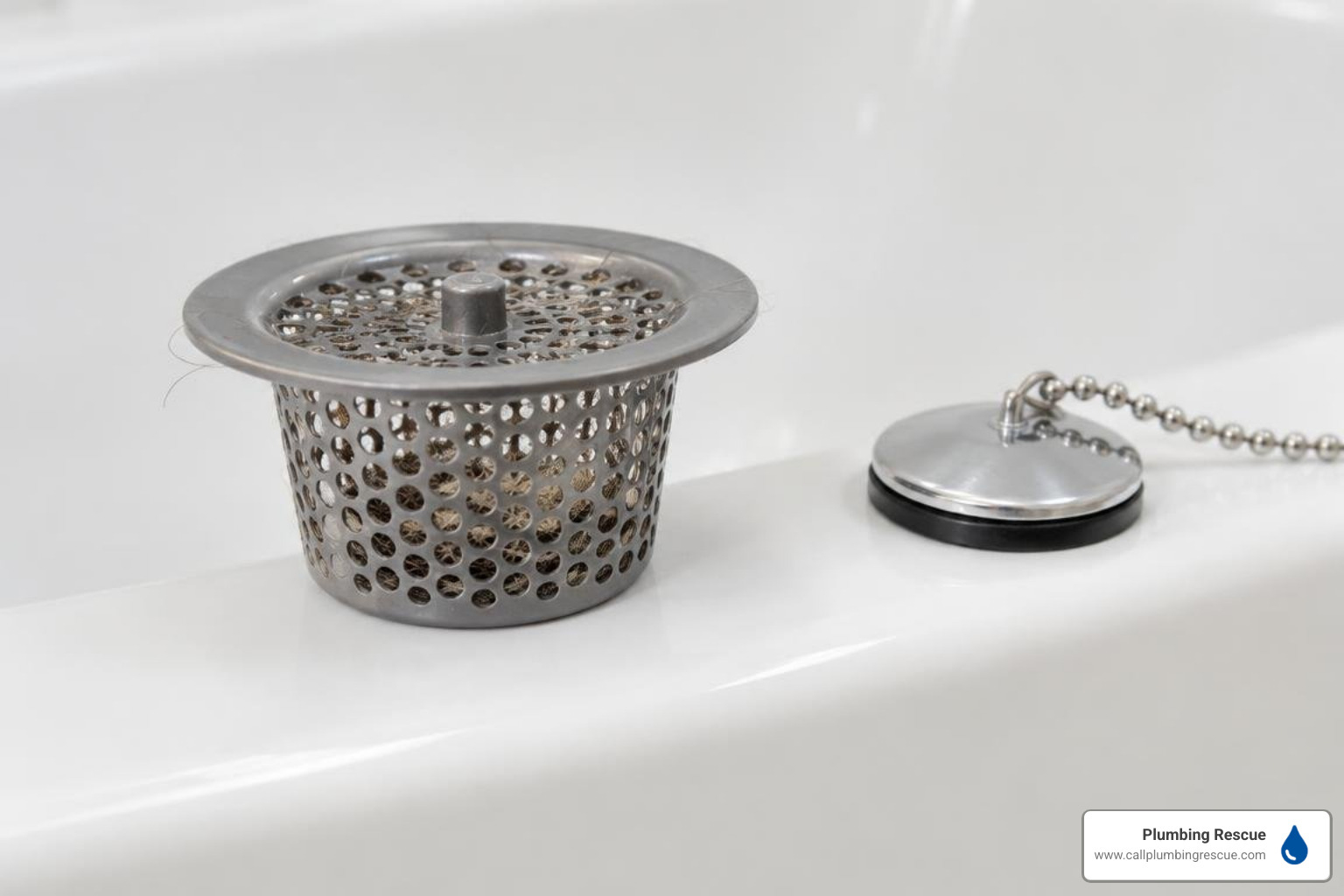
- Fit a hair catcher with small slats. Large slats let hair through.
- Empty it after each bath.
- Clear the plughole weekly.
- Wipe away soap residue.
- Flush with hot tap water and a little washing-up liquid now and then.
- Act early when the water slows. A slow drain is easier to fix than a full blockage.
- If you have hard water, ask a plumber whether a water softener makes sense for you.
Frequently Asked Questions about blocked bath drains
What should I do if the bathtub is full of water and will not drain?
You do not need to empty it first. Plunging with water in the tub helps the plunger work. Wear gloves. If you want to use a snake, bail out most of the water with a jug or bucket first. Do not add chemical cleaner to standing water.
Does baking soda and vinegar clear a blocked bath drain?
It may loosen light residue. It is not a reliable fix for hair or a solid blockage. Flush with hot tap water afterward. Never mix it with other cleaners.
When should I stop DIY and call a plumber?
Stop if several fixtures are affected or wastewater is backing up. Call if a sewer odor persists, the clog keeps returning, or your DIY methods fail. Also call if your plumbing is old or fragile.
Conclusion
Start with the easy steps. Clear visible debris first. Then try careful plunging or a hand snake. Stop if the blockage stays or affects other fixtures.
Plumbing Today is a free referral service. We can connect you with a local plumber for drain-cleaning help when you need it. You can also find plumbing help any time of day.
Dealing With This Yourself? Get Connected With a Local Plumber.
Skip the guesswork — one call connects you with a local plumbing provider. Available 24/7, no forms.
Call Now: (888) 686-0698