

Common Causes of Bathroom Sink Blockages
Bathroom sink drains are notorious for catching a specific combination of daily hygiene waste. Unlike kitchen sinks that primarily contend with food solids, cooking oils, and grease, bathroom plumbing deals with materials that naturally bind together into dense, stubborn blockages.
Here are the primary culprits behind slow-draining or completely blocked bathroom sinks:
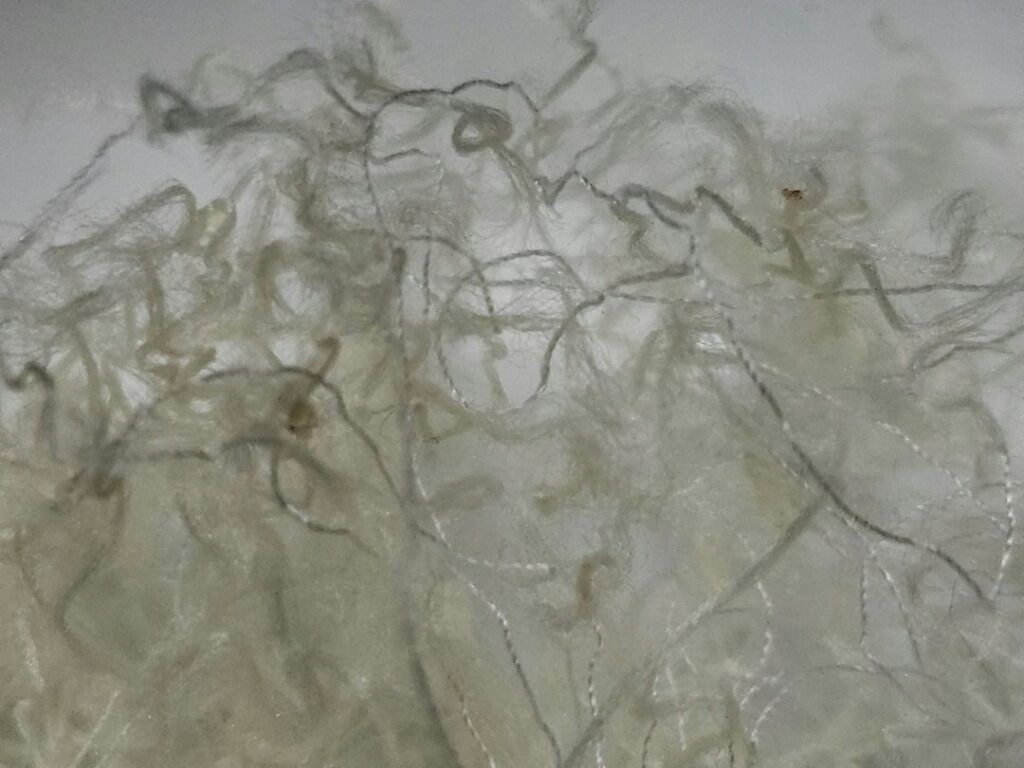
- Hair Clogs: Human hair is the leading cause of bathroom drain blockages. Loose strands wash down the drain during daily grooming, shaving, and washing. Hair gets snagged on the metal pivot rod or pop-up stopper mechanisms, creating a mesh-like net inside the pipe.
- Soap Scum Residue: Traditional bar soaps contain fats and tallow that react with hard water minerals (like calcium and magnesium) to form insoluble soap scum. This sticky residue coats the inner walls of PVC and metal pipes, narrowing the drain opening over time.
- Toothpaste and Shaving Cream Buildup: Toothpaste is surprisingly dense. When rinsed down the drain with insufficient water, it leaves behind a sticky film. Combined with aerosol shaving creams, cosmetic powders, and body lotion, this mixture acts like glue, binding loose hair into solid obstructions.
- P-Trap Accumulation: The curved P-trap under your bathroom sink is designed to hold standing water to block sewer gases from entering your home. However, gravity causes heavy debris, dropped jewelry, and thick organic sludge to settle directly in the bottom curve of the P-trap.
Understanding these underlying causes helps when selecting the best drain cleaner bathroom sink formula to clear your specific obstruction. For quick manual troubleshooting tips, check out our guide on How to Unclog a Bathroom Drain Fast.

Top Picks for the Best Drain Cleaner Bathroom Sink

When selecting the best drain cleaner bathroom sink product, we evaluated formulas based on their speed, ability to penetrate standing water, pipe compatibility, septic safety, and verified consumer ratings.
In bathroom sinks, thick clinging gels are generally superior to thin liquid formulas. Thin liquids dilute quickly in standing basin water, whereas high-density gel formulas sink straight through standing water to target the blockage at full strength.
| Product Name | Format | Target Clog Types | Working Time | Septic Safe? | Home Depot Rating |
|---|---|---|---|---|---|
| Zep Advanced Bathroom Sink Drain Opener Gel | Heavy Gel | Hair, soap scum, toothpaste, shaving cream | 5 – 15 mins | Yes | 4.5 / 5 (26 reviews) |
| Drano Commercial Line Max Gel Clog Remover | Clinging Gel | Hair, organic matter, standing water | 15 – 30 mins | Yes | 3.7 / 5 (2,182 reviews) |
| Green Gobbler Liquid Drain Clog Dissolver | Thick Liquid | Hair, soap scum, fats, organic material | 15 – 30 mins | Yes | 3.9 / 5 (3,597 reviews) |
| Drano Max Build-Up Remover | Enzyme Fluid | Organic sludge, pipe wall buildup | 6 – 8 hours | Yes | Non-caustic maintenance |
Zep Advanced Bathroom Sink Drain Opener Gel
For immediate results against bathroom-specific blockages, Zep Advanced Bathroom Sink Drain Opener Gel is a top-tier performer. Specifically formulated for bathroom basins, this product directly targets the cosmetic residues, hair tangles, and soap films that plague bathroom drains.
- Fast Action: Works in as little as 5 minutes for light clogs, or 10 to 15 minutes for stubborn obstructions.
- Heavy Density Gel: Engineered to be denser than water so it drops directly through standing water without losing strength or effectiveness.
- Pipe & Septic Compatibility: Safe for all common plumbing materials, including PVC, ABS, copper, and old cast iron pipes, as well as home septic systems.
- Application: Pour 16 ounces directly down the clogged sink drain, wait 5 to 15 minutes, and flush thoroughly with hot tap water.
Drano Commercial Line Max Gel Clog Remover
A staple in commercial and residential drain care, Drano® Commercial Max Gel Clog Remover is engineered to tackle severe blockages without damaging indoor plumbing systems. Carrying a 3.7 out of 5-star customer rating across 2,182 reviews on Home Depot, this high-density formula cuts through standing water efficiently.
- Extended Reaction Time: Dissolves tough hair and soap scum blockages within 15 to 30 minutes.
- Anti-Corrosion Protection: Contains specialized anti-corrosive agents designed to protect metal and plastic pipe walls from chemical damage during treatment.
- Bleach-Enhanced Density: Uses a heavy bleach-based matrix that breaks down organic proteins, hair, and body oils.
- Application: Carefully pour half of the 42 fl. oz. bottle down the sink drain, wait 15 to 30 minutes, and flush with hot water.
Green Gobbler Liquid Drain Clog Dissolver
If you prefer a high-performing cleaner that avoids harsh chlorine odors, Green Gobbler Liquid Clog Dissolver is an outstanding alternative. Garnering a 3.9 out of 5-star rating from 3,597 customer reviews on Home Depot, this product is widely recognized for its high safety profile and effectiveness.
- Bleach-Free Formula: Uses non-corrosive ingredients enhanced with plant-based surfactants to break down organic waste without generating harsh fumes.
- Versatile Sizing & Pricing: Available in a 31 oz. bottle ($12.99) or a 1 Gallon Industrial Strength container ($29.99).
- Surround & Slide Technology: Sinks through standing water to coat pipe walls, liquefying hair, soap scum, toilet paper, and organic materials.
- Universal Compatibility: 100% safe for PVC pipes, metal lines, garbage disposals, and septic systems.
Drano Max Build-Up Remover
Unlike caustic emergency openers, Drano® Max Build-Up Remover is a preventative maintenance solution designed to stop clogs before they form. It uses natural enzymes and beneficial bacteria to clear organic sludge from pipe interiors.
- Biological Bacteria Action: Employs natural Bacillus micro-organisms that turn solid organic residue into harmless carbon dioxide gas and water.
- Long Dwell Time: Requires 6 to 8 hours (ideally overnight) to digest organic pipe buildup without running water.
- Phosphate-Free Safety: Completely non-caustic and phosphate-free, making it completely safe for septic tanks, pipes, and local waterways.
- Important Usage Note: This product is not designed to open complete water blockages; it is intended for monthly preventative maintenance on slow-running drains.
Chemical vs. Enzymatic vs. Natural Remedies
Selecting the best drain cleaner bathroom sink product requires balancing speed against long-term pipe safety. Drain cleaners generally fall into three distinct categories:
- Chemical Openers (Caustic / Acidic / Oxidizing): Formulated with active ingredients like sodium hydroxide (lye), sodium hypochlorite (bleach), or sulfuric acid. They work by generating heat and chemical reactions to melt hair and organic waste in 5 to 30 minutes. However, repeated exposure can cause pipe corrosion and pinhole leaks.
- Enzymatic & Bacterial Cleaners: Contain live Bacillus bacteria cultures or active biological enzymes. They digest organic sludge, fats, oils, and soap scum over 6 to 8 hours. While useless for emergency hair clogs, they offer non-toxic, long-term pipe protection.
- Natural DIY Remedies: Utilize baking soda (sodium bicarbonate) combined with household vinegar (acetic acid). This creates a fizzy foaming reaction that loosens minor surface residue without chemical hazards.
To learn more about practical DIY remedies, explore our detailed breakdown of Bathroom Drain Clog Fixes That Actually Work.
Selecting the Best Drain Cleaner Bathroom Sink Product for Your Needs
When deciding which product format to purchase, review the guidelines established in the Lowe’s Drain Cleaner Buying Guide. Consider the following decision factors:
- Emergency vs. Routine Care: If your bathroom sink is completely backed up with standing water, an enzymatic cleaner will not work fast enough. You will need a heavy chemical gel (like Zep Advanced or Drano Commercial Gel) or a physical drain snake.
- Pipe Material: PVC plastic pipes handle chemical gel openers relatively well, but thin flexible plastic hoses or ancient corrugated pipes under vanity cabinets can melt under extreme chemical heat. Cast iron and brass pipes are vulnerable to corrosion from harsh acids like sulfuric acid.
- Septic Tank Health: Caustic drain openers kill off essential bacteria inside your septic tank if used repeatedly. If your home uses an on-site septic system, choose products explicitly labeled “septic safe” or stick to enzymatic treatments like Green Gobbler or Drano Max Build-Up Remover.
For an extensive review of additional top products on the market, read The Ultimate Guide to the Best Drain Cleaners on the Market.
Efficacy of DIY Baking Soda and Vinegar Methods
Many homeowners ask whether home remedies can replace commercial chemical openers. While the fizzing reaction of baking soda and vinegar is popular, its actual unclogging power is limited.
When baking soda (a base) mixes with vinegar (an acid), it creates carbon dioxide gas and water. This mild effervescent scrubbing action can help clear minor organic buildup, neutralize drain odors, and break up light soap residue.

How to perform a natural flush:
- Pour 1/2 cup of baking soda directly down the sink drain opening.
- Follow with 1 cup of white distilled vinegar.
- Cover the drain opening with a damp washcloth to trap the carbon dioxide gas inside the pipe for 15 minutes.
- Flush the drain with 2 to 3 quarts of hot (non-boiling) tap water.
The Reality Check: Baking soda and vinegar cannot dissolve dense hair clogs. Hair consists of tough keratin proteins that require either strong chemical dissolution (sodium hydroxide) or physical mechanical extraction (a barbed zip tool or drain snake).
For a complete guide on natural maintenance, see How to Clean Drains with Baking Soda and Vinegar.
Safe Application and What to Do When Cleaners Fail
Chemical drain openers contain powerful active ingredients like sodium hydroxide, potassium hydroxide, and sodium hypochlorite. These chemicals can cause severe skin burns, permanent eye damage, and lung irritation if handled improperly.
How to Use the Best Drain Cleaner Bathroom Sink Products Safely
To ensure safe application when using products like Drano® Liquid Drain Cleaner, follow these strict safety protocols:
- Wear Personal Protective Equipment (PPE): Always wear heavy-duty rubber gloves and safety goggles before opening chemical bottles.
- Open Childproof Caps Correctly: Press down firmly on the cap with the palm of your hand and turn counterclockwise without squeezing the bottle to prevent dangerous accidental spurts.
- Never Mix Chemical Products: Mixing different drain openers—or combining chemical cleaners with ammonia, vinegar, or toilet bowl cleaners—can instantly generate deadly chloramine or chlorine gas.
- Observe Wait Times Carefully: Allow the gel to sit for the exact timeframe listed on the bottle (typically 15 to 30 minutes). Leaving chemical cleaners inside pipes overnight can cause heat buildup and pipe degradation.
- Flush with Hot, Not Boiling Water: Flush the drain thoroughly with hot tap water. Never pour boiling water into PVC sink drains, as extreme temperatures above 140°F can warp thin PVC pipes and soften rubber washers.
- THE ZERO PLUNGER RULE: Never use a plunger during or after pouring a chemical drain cleaner. Plunging standing chemical water creates severe splashback risks, forcing caustic chemicals back up into your face, skin, and eyes.
Mechanical Alternatives and When to Call a Professional
If a chemical drain cleaner fails to open your bathroom sink after 30 minutes, do not pour a second bottle or try a different chemical brand. Adding more chemicals simply fills your sink basin with hazardous, toxic water that complicates further repairs.
Instead, switch to safe mechanical methods:
- Plastic Barbed Zip Tools: These inexpensive 20-inch plastic sticks feature flexible barbs. Insert the stick down the sink drain past the pop-up stopper, twist, and pull back to extract tangled hair masses directly.
- Clean the Pop-Up Stopper: Unscrew the pivot rod nut under the sink behind the P-trap, pull out the metal pivot rod, and lift the pop-up stopper out from the top. Clean off accumulated hair and soap scum manually.
- Remove and Clean the P-Trap: Place a small bucket under the sink trap. Hand-loosen the two plastic slip nuts holding the curved P-trap in place, remove the trap, and dump trapped hair, debris, and sludge directly into the bucket.
- Use a Manual Drum Auger: For clogs located deeper in the wall pipe past the P-trap, feed a 1/4-inch manual hand auger (drain snake) into the wall line, rotate the handle to hook the blockage, and pull it back out.

When mechanical attempts fail, or if multiple drains across your home are backing up simultaneously, the issue is likely located deep inside your main sewer line. At Plumbing Rescue, our licensed plumbing technicians provide 24/7 emergency drain cleaning and rapid dispatch across Austin, TX, Denver, CO, Indianapolis, IN, and Phoenix, AZ.
Whether you need professional motorized augering, hydro-jetting, or video camera pipe inspection, our team arrives day or night to restore safe water flow.
Frequently Asked Questions about Bathroom Sink Drain Cleaners
Are drain cleaners safe for PVC pipes and septic systems?
Most modern gel drain cleaners—such as Zep Advanced Gel, Green Gobbler, and Drano Commercial Gel—are formulated with corrosion inhibitors that make them safe for standard PVC, ABS, copper, and brass pipes when used strictly according to label directions.
However, heavy acid-based drain openers containing concentrated sulfuric acid or hydrochloric acid should be avoided. These strong acids generate intense thermal heat during chemical reactions, which can warp thin-walled PVC pipes and corrode old metal plumbing.
Regarding septic systems, enzymatic and bacterial products are completely septic-safe. Caustic chemical gel openers are acceptable for occasional emergency use, but frequent use can kill off beneficial bacteria in your septic tank, disrupting natural waste decomposition.
Can baking soda and vinegar clear a severe bathroom sink clog?
No. While baking soda and vinegar produce an impressive fizzy foaming reaction, this combination lacks the chemical strength or heat necessary to dissolve dense hair tangles or heavy soap scum obstructions.
Baking soda and vinegar are ideal for routine monthly odor control, clearing light organic surface films, and eco-friendly pipe maintenance. For complete, solid water blockages caused by hair wrapped around pop-up stoppers, you will need either a high-density gel drain cleaner or a physical plastic zip tool.
Why should you never use a plunger after pouring a chemical drain cleaner?
Using a plunger on a drain that contains chemical drain cleaner is extremely dangerous due to the hazard of caustic splashback.
When you push down on a sink plunger, you compress air and standing liquid inside the drain pipe. When the plunger cup breaks suction, the trapped pressure forces caustic, chemical-laden water splashing violently upward out of the drain basin.
This toxic splashback can cause immediate severe chemical burns to exposed skin and permanent corneal damage or blindness if it hits your eyes. If a chemical cleaner fails to clear a clog, carefully bail out standing water using a plastic cup while wearing thick rubber gloves and safety goggles before attempting any mechanical work.
Conclusion
Finding the best drain cleaner bathroom sink product comes down to matching the cleaner formula to your exact clog issue:
- For Fast Emergency Action: Use a heavy, bathroom-specific gel like Zep Advanced Bathroom Sink Drain Opener Gel or Drano Commercial Line Max Gel to sink through standing water and dissolve hair and soap scum within 5 to 30 minutes.
- For Safe, Natural Performance: Opt for Green Gobbler Liquid Clog Dissolver, which uses a non-corrosive, bleach-free formula that is completely safe for all pipes and septic tanks.
- For Preventative Maintenance: Apply an enzyme-based treatment like Drano Max Build-Up Remover monthly to digest organic sludge overnight before it hardens into a complete blockage.
Key Takeaway Steps for Clean Bathroom Drains:
- Identify the clog source: Check if loose hair is visible around the pop-up stopper before pouring chemicals.
- Use physical tools first: Try a 20-inch plastic barbed zip tool to pull hair out manually.
- Choose heavy gel formulas: Select cling gels designed to penetrate standing water without dilution.
- Follow safety rules: Always wear gloves and goggles, never mix chemical products, and never use a plunger on chemical-treated drains.
- Know when to call a pro: If chemical cleaners and P-trap cleaning fail to clear the blockage, stop immediately to protect your pipes.
When persistent drain blockages disrupt your home, contact our expert team at Plumbing Rescue. We offer rapid 24/7 emergency plumbing services, professional drain clearing, and complete pipe solutions across Austin, Denver, Indianapolis, and Phoenix. Call us today to get your drains flowing freely again!
Dealing With This Yourself? Talk to a Licensed Plumber.
Skip the guesswork — get a straight answer from a local pro. Available 24/7, no forms, no waiting.
Call Now: (888) 686-0698
