

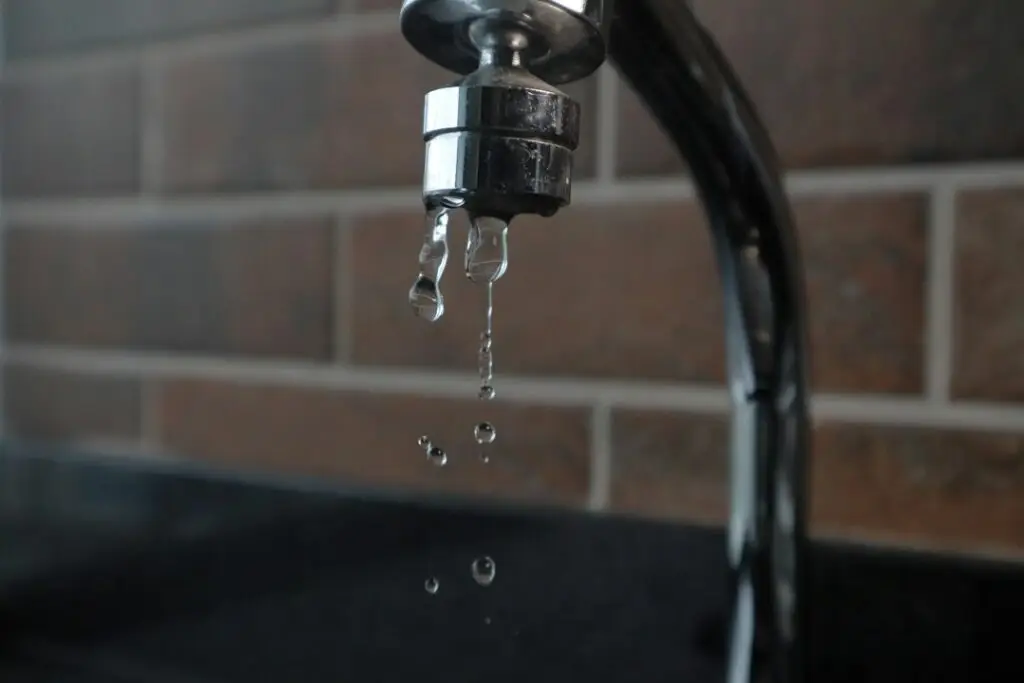
How to Fix a Water Leak Quickly in 5 Easy Steps
Stop Water Damage Fast With Water Leak Repair
If water is actively leaking, shut off the nearest supply valve or your home’s main water valve first. Then move valuables away from the area, catch or soak up standing water, and call a licensed emergency plumber for a lasting repair. Do not ignore a small drip: hidden leaks can waste thousands of gallons and may lead to mold growth within 24 to 48 hours.
Here is the fast response plan:
- Turn off the water to stop the flow.
- Turn on a cold faucet to relieve pressure in the pipes.
- Contain water with towels, buckets, or a wet/dry vacuum.
- Check for warning signs, such as damp drywall, a musty smell, or a moving water meter when fixtures are off.
- Arrange professional leak detection and repair, especially for water behind walls, under floors, or beneath a concrete slab.
A quick response limits damage to cabinets, flooring, walls, and framing. It also gives you a clearer record for an insurance claim if the leak caused sudden damage.
I am Ben Smith, a digital marketing consultant with more than 25 years of experience helping service businesses connect homeowners with urgent, reliable solutions, including water leak repair. This guide explains the practical first actions to take before a small leak becomes a costly plumbing emergency.

5 Steps for Fast and Effective Water Leak Repair
When dealing with unwanted moisture, speed is everything. Water leaks cause more property damage in American homes than fires, storms, and break-ins combined. The average household wastes nearly 10,000 gallons yearly from undetected leaks, and a simple dripping fixture can waste gallons of water each month without anyone noticing.

Whether you are in Austin, Denver, Indianapolis, or Phoenix, executing these five simple steps will help protect your property, contain the issue, and ensure you get lasting repairs.
Step 1: Shut Off the Main Water Supply Immediately
The absolute first action during any plumbing crisis is cutting off the pressurized water source. If a single fixture—such as an under-sink line or toilet—is leaking, you can turn its local isolation valve clockwise. However, if the source is unknown, behind a wall, or under a floor, head straight for the main water shut-off valve.
Most homes feature either a gate valve (a round wheel that you turn clockwise until it stops) or a ball valve (a straight handle that you turn 90 degrees perpendicular to the pipe). Knowing where this valve sits before disaster strikes is crucial. Reviewing an emergency water leak guide for homeowners will help you quickly locate your main line and take control of the situation. Once the valve is closed, open the lowest cold-water faucet in the house (like a basement utility sink or outdoor hose bib) to drain remaining water and depressurize the lines.
Step 2: Inspect Fixtures and Confirm Hidden Leak Signals
Once you have shut off the immediate flow, verify if you are dealing with an isolated fixture or a larger, hidden problem. Check your water meter outside. Most modern meters feature a small triangular dial or a digital readout called a low-flow indicator. If all taps are off and the indicator is actively spinning, pressurized water is escaping somewhere inside your system.
Watch for the classic secondary warning signs of concealed plumbing leaks:
- Discolored, spongy, or bowing drywall and ceiling plaster
- Persistent musty or moldy smells coming from baseboards or closets
- Unexplained warm spots across concrete or tiled floors
- The faint sound of hissing or rushing water when no appliances are running
Learning what to do when you spot a water leak can keep you calm, organized, and focused on mitigating hazards before technicians arrive on site.
Step 3: Apply Temporary Containment for Minor Pipe Damage
If you locate an accessible pipe that is dripping, temporary measures can keep moisture away from structural wood while you coordinate professional assistance. Always wipe the pipe dry before applying any temporary seal.
- Pipe Clamps: A rubber gasket secured with a bolted metal sleeve provides the most durable temporary patch against pressurized pinholes.
- Self-Fusing Silicone Tape: Tightly wrapping silicone tape several inches past the puncture on both sides creates a watertight compression barrier for pinhole leaks.
- Epoxy Putty: Knead two-part plumbing epoxy and mold it firmly over a cracked joint or fitting, allowing it to cure completely before turning water back on.
If you are dealing with minor fixture drips, reviewing quick DIY fixes for a hot water faucet leak can help you replace worn O-rings or cartridges safely until comprehensive maintenance is completed.
Step 4: Schedule Non-Invasive Professional Leak Detection
Never tear open walls or jackhammer floors based on a guess. Modern plumbing technicians use non-destructive diagnostic tools to pinpoint hidden failures without invasive demolition.
Licensed plumbers use acoustic listening sensors to amplify subterranean water hiss, thermal imaging cameras to track temperature variations caused by escaping hot or cold lines, and deep-penetrating moisture meters to trace structural saturation. In many municipalities, such as within the service area of Austin Water, monitoring your consumption history can confirm hidden losses that require specialized acoustic tracing.

Step 5: Complete Permanent Pipe Restoration and Pressure Testing
Temporary patches are never meant to be permanent. A certified plumbing technician will cut out the compromised piping, evaluate the surrounding structural integrity, and install modern, code-compliant materials. Depending on your home’s setup, this involves soldering fresh copper lines or crimping high-durability PEX tubing.
After the physical joint is restored, our technicians perform static pressure testing and flow verification to ensure zero pressure drop across the entire system. Getting expert water leak repair guarantees that your plumbing lines meet local municipal codes and will hold up reliably against everyday domestic use.
Choosing the Right Plumbing Solution for Different Pipe Failures
Every plumbing failure presents unique challenges depending on pipe age, material composition, and the home’s construction style.

When to Choose a Spot Water Leak Repair vs. Full Repiping
A spot repair is ideal when the rest of your plumbing system is in pristine condition and damage is isolated to a physical puncture, a single loose fitting, or localized freeze damage. However, when pipes begin failing repeatedly from internal corrosion, mineral scaling, or age, patching one spot often pushes pressurized stress down the line, causing another failure weeks later.
If you are facing sudden structural wetness, knowing what to do when the drip hits the fan and you need emergency plumbing repair fast will help you choose between an immediate localized repair and a broader replacement plan.
| Repair Strategy | Best Use Case | Typical Lifespan | Impact on Property |
|---|---|---|---|
| Spot Repair | Single isolated pinhole or mechanical puncture in modern piping | 5 to 15+ years (localized) | Minimal; small access cut |
| Section Replacement | Isolated corrosion cluster, localized freeze burst, or worn fitting branch | 15 to 25 years | Moderate; opened wall bay or subfloor access |
| Full Repipe | Widespread internal pitting, failing galvanized lines, or frequent recurrent leaks | 40 to 50+ years | Extensive initially, but provides a total system reset |
Diagnosing and Resolving High-Risk Foundation Slab Leaks
A slab leak occurs when the pressurized copper water lines running below or through your home’s poured concrete foundation develop a leak. These issues are widespread across regions with shifting, expansive soils and hard, alkaline water, such as Southern Arizona (Phoenix) and parts of Texas (Austin).
Over time, abrasive friction against concrete, soil movement, and alkaline corrosion wear pinholes into underground copper tubing. Because water flows downward and outwards, slab leaks can silently erode soil, crack structural foundations, and invite heavy subterranean mold. Resolving a slab leak typically involves:
- Direct Access Spot Fix: Jackhammering a precise section of the slab to patch the line.
- Overhead Reroute: Abandoning the leaking underground line entirely and running flexible PEX lines through walls and attic spaces.
- Trenchless Epoxy Lining: Restoring line integrity internally when structural excavation is undesirable.
Advanced Leak Detection, Costs, and Insurance Navigation
Hidden water leaks rarely happen on a convenient schedule. Knowing what to expect regarding equipment, repair costs, and insurance policies will keep you from feeling overwhelmed.
When structural flooding strikes in the middle of the night, don’t waste precious time. Understanding why you shouldn’t tread water while waiting for a 24/7 burst pipe service ensures you get rapid call routing to our licensed local technicians day or night.
Calculating Water Leak Repair Costs and Service Estimates
Plumbing costs depend heavily on access difficulty, pipe material, and the extent of required diagnostics. While basic visible pipe repairs range from $200 to $500, complex slab leaks or hidden main line failures often range from $1,500 to $4,000+ depending on the repair method chosen.
Learning how to save money when hiring a plumber for small leaks helps you manage household expenses while ensuring your home receives professional-grade care.

Navigating Warranties and Homeowners Insurance Claims
Water damage restoration runs anywhere from $1,342 to over $15,000 depending on how bad it gets, with the average water damage claim running $13,954. Understanding your policy is essential:
- Sudden and Accidental: Most standard homeowner policies cover sudden, catastrophic events like a burst frozen line or an unexpected water heater failure.
- Gradual Damage: Insurers routinely deny claims stemming from neglected, long-term drips or ongoing seepage.
When filing a claim, document everything. Take high-resolution photos and video of the leak origin, preserve failed pipe sections for adjuster inspection, record thermal imaging readings, and keep detailed invoices. For municipal utility bill forgiveness programs, reviewing resources from local providers like the Phoenix Water Services Department can help you apply for bill adjustments caused by unpreventable hidden leaks.
Always confirm that your plumbing contractor provides a solid workmanship warranty—ranging from 1-year service guarantees on spot fixes up to 10-year or 25-year warranties on comprehensive repipes and line restorations.
Long-Term Preventative Maintenance to Avoid Future Leaks
Proactive plumbing maintenance is far cheaper than emergency property restoration. Implementing simple protective measures protects your home from unnecessary water damage:
- Regulate Water Pressure: Keep residential water pressure between 50 and 70 PSI. Pressure spikes above 80 PSI place excessive stress on pipe joints, appliance valves, and fixture cartridges.
- Address Hard Water: Hard water mineral buildup causes galvanic corrosion and scales copper lines internally. Installing whole-home water conditioning extends pipe longevity.
- Exercise Isolation Valves: Turn under-sink, toilet, and main shut-off valves twice a year to prevent mineral deposits from seizing them open.
- Schedule Annual Inspections: Have a licensed plumber inspect exposed basement, crawlspace, and water heater lines annually.
Understanding why 24-hour leak repair is the only thing standing between you and a flood highlights why catching early corrosion during scheduled checkups saves thousands in the long run.
Frequently Asked Questions About Water Leaks
How can I tell if a water leak is hidden behind my walls?
The most reliable sign is an unexplained spike in your monthly water utility bill paired with a moving meter indicator while all household fixtures remain off. Physical indicators include spongy drywall, peeling paint, warped baseboards, persistent musty odors, and faint hissing sounds within wall cavities. Professional technicians verify these leaks non-destructively using infrared thermal cameras and ultrasonic listening gear.
Will homeowner insurance cover plumbing leak repairs and damage?
Standard homeowners insurance policies generally cover structural restoration, drying, and property repair resulting from sudden, accidental pipe bursts. However, insurance policies typically exclude the physical plumbing repair itself (the cost to fix the pipe) and will deny claims caused by long-term gradual leaks, ongoing neglect, or deferred maintenance.
How fast does mold grow after an indoor water pipe leak?
Mold spores germinate and begin colonizing drywall, wood framing, and carpet padding within 24 to 48 hours of initial moisture exposure. Immediate water extraction, pipe repair, structural drying, and dehumidification are critical to prevent severe indoor air quality hazards and expensive mold remediation.
Conclusion
Plumbing failures do not resolve on their own. A small hidden leak can waste thousands of gallons of water while silently destroying flooring, walls, and foundations. By shutting off your main water line immediately, containing visible surface moisture, and scheduling non-invasive professional detection, you safeguard your home’s structural health and prevent minor drips from snowballing into catastrophic damage.
When you need rapid, reliable assistance, Plumbing Rescue is on call 24/7 across Austin, Denver, Indianapolis, and Phoenix. Our licensed, local technicians deliver fast call routing, upfront pricing, and durable repairs to protect your home day or night.
Dealing With This Yourself? Get Connected With a Local Plumber.
Skip the guesswork — one call connects you with a local plumbing provider. Available 24/7, no forms.
Call Now: (888) 686-0698