

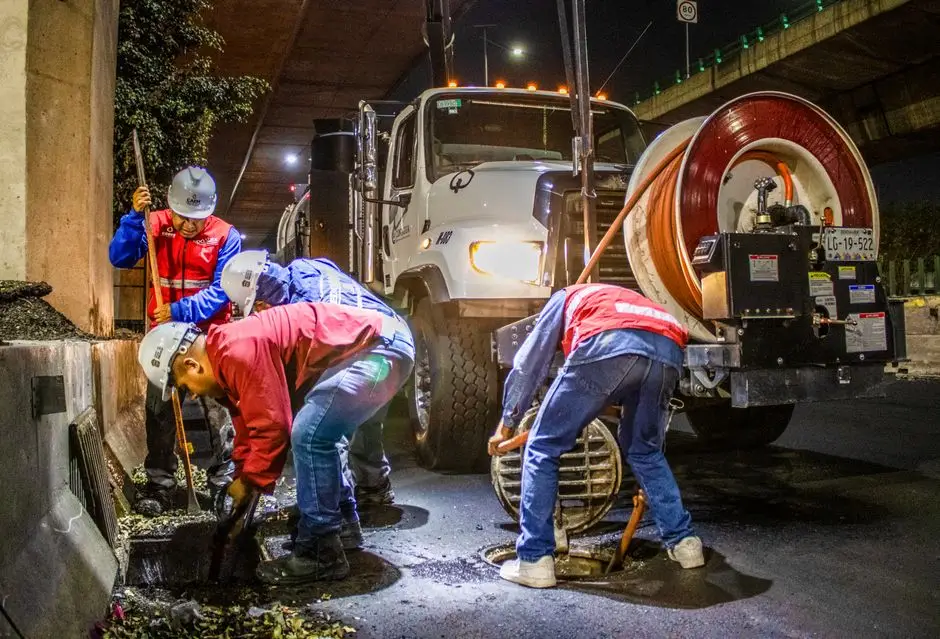
When Your Whole House Stops Draining: What You Need to Know
Finding the best way to unclog main sewer line blockages quickly is critical — because when the main line is blocked, every drain in your home stops working at once.
Quick Answer: The Best Ways to Unclog a Main Sewer Line
| Method | Best For | DIY or Pro? |
|---|---|---|
| Baking soda + hot water flush | Minor grease buildup | DIY |
| Flange plunger | Light blockages near fixtures | DIY |
| Manual drain snake (auger) | Moderate clogs within 25 feet | DIY (with care) |
| Motorized drum auger | Deeper clogs, 50-75 feet | DIY or Pro |
| Hydro-jetting (4,000 PSI) | Stubborn clogs, grease, roots | Professional only |
| Video camera inspection | Diagnosing unknown blockages | Professional only |
| Trenchless pipe repair/CIPP | Structural damage or root intrusion | Professional only |
If sewage is backing up into your home right now:
- Stop using all water immediately
- Shut off the main water valve if safe to do so
- Evacuate the affected area — sewer gas is a health hazard
- Call an emergency plumber
A main sewer line clog is one of those problems that goes from annoying to oh no fast. Unlike a single slow drain in the bathroom, a main line blockage affects every fixture in the house at the same time. Flush the toilet and water rises in the shower. Run the washing machine and the kitchen sink gurgles. These are not coincidences — they are warning signs that the trunk line carrying all your home’s wastewater is blocked.
The good news: knowing what you are dealing with makes a huge difference. Some early-stage blockages can be cleared safely at home. Others — especially those caused by tree roots, collapsed pipes, or decades of grease buildup — need professional tools and expertise.
My name is Ben Smith, a digital marketing consultant with over 25 years of experience working alongside service-based businesses including plumbing and home services companies — giving me a deep understanding of what homeowners actually need when searching for the best way to unclog main sewer line problems. In this guide, I will walk you through how to diagnose the problem, what you can safely try yourself, and when to call in the pros.

Best way to unclog main sewer line vocab explained:
How to Identify a Main Sewer Line Clog vs. a Single Drain
Before you start planning your attack, you need to confirm that you are actually dealing with a main line problem. If you try to clear a local clog with heavy-duty main line equipment, you could waste time and money. Conversely, attacking a main line clog with a tiny sink snake is like bringing a plastic butter knife to a sword fight.
The absolute easiest way to tell the difference is by looking at how many fixtures are struggling. If only your kitchen sink is draining slowly, the issue is localized to that branch line. However, if multiple fixtures across your home are backing up simultaneously, the bottleneck is in the main sewer lateral.
Because gravity always wins, main sewer line backups will show up first in the lowest drains in your home. This usually means a basement floor drain, a downstairs shower stall, or a basement toilet. If you notice water pooling in these spots, your main line is struggling. For deeper insights on managing these subterranean disasters, check out our guide on Going Underground To Fix A Stubborn Basement Drain Backup.
You can also perform a quick “Fixture Reaction Test” to confirm your suspicions:
- The Toilet Test: Flush your downstairs toilet. If you hear loud gurgling in your shower drain, or if water bubbles up in the tub, you have a shared main line block.
- The Sink Test: Run your bathroom sink for a minute. If the water level in your toilet bowl starts rising or falling erratically, the air vents and drainage paths are blocked by a main line clog.
- The Washing Machine Test: When your washing machine drains its soapy water, does a nearby floor drain or shower stall overflow? This is a classic indicator of a main line issue.
Common Signs of a Main Sewer Line Blockage
When a main line is blocked, your home’s plumbing will start “talking” to you. Here are the most common warning signs we see in homes across Austin, Denver, Indianapolis, and Phoenix:
- Persistent Gurgling Sounds: If your drains make strange, hollow gurgling noises even when no water is running, air is trapped in your pipes.
- Nasty Sewer Odors: A distinct rotten-egg smell wafting from your floor drains or sinks means sewer gases are backing up into your living spaces.
- Soggy, Super-Green Patches in the Yard: If you have an underground leak in your sewer lateral, the nutrient-rich sewage will fertilize your lawn. If you notice a strip of grass that looks like a tropical rainforest while the rest of your yard is dry, your main line is likely leaking.
- Toilet Water Fluctuations: If the water in your toilet bowl rises and falls without anyone flushing it, pressure is building up in the main sewer trunk.
If you are lucky enough to only have a localized bathroom issue instead of a main line emergency, you can find simple, highly effective solutions in our guide on Bathroom Drain Clog Fixes That Actually Work.
Primary Causes of Main Sewer Line Failures
To find the best way to unclog main sewer line blockages, you have to understand what is causing the blockage in the first place. Over our years of clearing pipes, we have found that main line failures usually boil down to four main culprits:
- Tree Root Intrusion: Tree roots are naturally drawn to the warmth and moisture inside your sewer pipes. They can crawl into tiny cracks or loose pipe joints, expanding over time until they form a dense, net-like barrier that traps toilet paper, grease, and waste.
- Grease and Oil Saponification: Pouring warm cooking grease down the kitchen sink is a recipe for disaster. As grease cools, it solidifies inside your pipes, catching other debris and gradually narrowing the diameter of the line until it is completely closed off.
- Flushable Wipes and Foreign Objects: Despite what the packaging claims, “flushable” wipes do not break down like standard toilet paper. They snag on pipe imperfections, creating massive blockages.
- Aging Pipe Materials: If you live in an older, historic neighborhood in Denver or Indianapolis, your home might still have clay, concrete, or cast-iron sewer lines. These materials are highly susceptible to shifting soil, corrosion, and root intrusion. Modern plastic sewer pipes (PVC) did not become common in residential construction until the late 1970s. These newer PVC pipes have fused joints that make them incredibly resistant to tree roots, but older homes remain highly vulnerable.

Finding the Best Way to Unclog Main Sewer Line: DIY vs. Professional
When you realize your main line is clogged, your first instinct might be to grab a plunger or run to the hardware store to rent a heavy-duty drain auger. While we love a proactive homeowner, it is important to understand the limits of DIY sewer clearing.
Main sewer lines are deep, complex, and filled with hazardous waste. If you use the wrong equipment, you can easily crack older clay pipes or get a rented motorized snake permanently stuck in a collapsed line. Furthermore, we strongly advise against using store-bought chemical drain cleaners. These harsh, acidic liquids are rarely powerful enough to clear a deep main line blockage, and they will sit in your pipes, eating away at older cast iron or clay and creating a toxic hazard for whichever plumber eventually has to clear the line.
For a safer approach to managing your home’s drainage, take a look at our resource on Smart Solutions For Every Blocked Drainage System.
How to Safely Locate and Use Your Sewer Cleanout
If you do decide to attempt a DIY fix, your starting point must be the sewer cleanout. This is a dedicated access pipe that connects directly to your main sewer line, bypassing all the smaller branch pipes inside your home.
- How to Locate It: Look for a 3- to 4-inch diameter pipe with a screw-on cap (usually featuring a square nut on top). It is typically located outside near your home’s foundation, in the basement, in a crawlspace, or out in the yard.
- The Safety First Rule: Stop all water use in your home before you touch this cap! If your system is backed up, the cleanout pipe could be under intense pressure.
- Opening the Cap Safely: Wear heavy-duty waterproof gloves, safety goggles, and old clothing. Use a pipe wrench to slowly unscrew the cap counter-clockwise. Stand to the side while doing this. If water or sewage begins to seep out immediately, stop turning! This means the line is under intense pressure, and fully removing the cap could trigger a literal geyser of raw sewage in your face. If this happens, tighten the cap and call a professional immediately.
For a detailed walkthrough on cleanout mechanics, you can read the classic guide on How to Unclog the Main Household Drain – Lowe’s .
Safe DIY Methods for Minor Blockages
If you have opened your cleanout safely and the water level is low, or if you are dealing with a minor grease or soft debris clog, you can try these safe DIY methods:
- The Baking Soda and Vinegar Reaction: Pour 1 cup of baking soda down the cleanout, followed by 1 cup of white vinegar. Let the mixture fizz for 30 to 60 minutes to help break up organic matter and light grease. Follow this with a flush of hot water.
- The Hot Water Flush: For grease-based clogs, heat several gallons of water to about 130–140°F (do not use boiling water if you have PVC pipes, as extreme heat can melt or deform the plastic). Pour it slowly down the cleanout to melt away grease buildup.
- The Flange Plunger: If the clog is close to a toilet, use a heavy-duty flange plunger (the kind with an extended rubber sleeve on the bottom) to create a tight seal and push the blockage through.
- A Manual Hand Snake: For clogs within 15 to 25 feet of the cleanout, a manual hand auger can help you hook and retrieve hair, wipes, or soft debris.
For more region-specific DIY tips, you can consult local home improvement guides and resources.
Professional Methods for Clearing a Main Sewer Line
When DIY methods fail, or if you are dealing with a severe blockage like tree roots or a collapsed pipe, professional intervention is the only safe and effective choice. Professional plumbers use specialized, heavy-duty equipment that can clear blockages without damaging your home’s infrastructure. If you are experiencing a severe backup, our 24 Hr Drain Service For When Life Gets Clogged is always available to assist.
Video Camera Inspections: The Best Way to Unclog Main Sewer Line Diagnostics
Before we pull out any clearing tools, we always recommend starting with a professional video camera inspection. This completely removes the guesswork from sewer repair.
We feed a high-resolution, waterproof fiber-optic camera down your cleanout. These cameras can inspect pipes ranging from 2 to 10 inches in diameter and can reach up to 400 feet into your main sewer line. As the camera travels through the pipe, it transmits real-time footage to a monitor, allowing us to see exactly what is causing the blockage — whether it is a thick root ball, a heavy layer of grease, a sagging pipe (also known as a pipe belly), or a complete structural collapse.

Mechanical Snaking and Hydro-Jetting: The Best Way to Unclog Main Sewer Line Solutions
Once we have diagnosed the issue, we use one of two highly effective clearing methods:
- Mechanical Snaking (Motorized Drum Auger): This method uses a powerful, motorized machine that spins a heavy steel cable with a sharp cutting blade on the end. It is incredibly effective at punching through tough blockages, shredding tree roots, and restoring basic flow.
- Hydro-Jetting: While snaking punches a hole through a clog, hydro-jetting completely cleans the pipe. This method uses a specialized machine that blasts water through your lines at a staggering 4,000 PSI water pressure. The high-pressure water scrubs away grease, scale, mineral deposits, and tree roots, restoring the pipe to like-new condition.
For residents in the Midwest, professional drain clearing services are the safest and most reliable way to handle these heavy-duty clearing methods.
Sewer Line Repair, Replacement, and Cost Expectations
Sometimes, clearing a clog is only a temporary fix. If your sewer line has structural damage, a severe sag, or constant root intrusion, you will need to repair or replace the pipe to prevent recurring backups.
Fortunately, modern plumbing technology has made pipe repair much less disruptive. Instead of digging up your entire yard, we often use trenchless repair technologies:
- Cured-in-Place Pipe (CIPP) Lining: We insert a flexible, epoxy-saturated liner into your damaged pipe, inflate it, and let it cure. This creates a brand-new, jointless, root-proof pipe inside your old one, boasting a lifespan of up to 50 years.
- Pipe Bursting: We pull a new HDPE pipe through your old, damaged line, breaking the old pipe apart as the new one is pulled into place.
For a detailed look at what these services cost, check out The Ultimate Guide To Blocked Pipes And What A Plumber Should Actually Cost.
Cost Breakdown of Sewer Line Services in 2026
Plumbing costs can vary based on your location and the severity of the blockage. Here is what you can typically expect to pay for sewer line services in June 2026:
| Service | Typical Cost Range | Key Factors |
|---|---|---|
| Basic Drain Snaking | $100 – $300 | Simple clogs, easily accessible cleanouts |
| Video Camera Inspection | $200 – $500 | Diagnostic only, often discounted if paired with clearing |
| Hydro-Jetting | $350 – $600 | Complete grease and root clearing |
| Emergency Surcharges | Up to $200 | After-hours, weekend, or holiday service |
| Complete Pipe Replacement | $3,000 – $7,000 | Excavation or trenchless replacement |
Does Homeowners Insurance Cover Sewer Line Repairs?
A common question we get from homeowners in Phoenix, Austin, Denver, and Indianapolis is whether their insurance will cover the cost of a sewer line repair.
The short answer: standard homeowners insurance typically does not cover sewer line repairs if the damage is caused by wear and tear, aging pipes, or gradual tree root intrusion. However, if the damage is sudden and accidental — such as a construction crew accidentally crushing your line — it might be covered.
To protect yourself, we highly recommend adding a Service Line Coverage Endorsement to your homeowners policy. This add-on typically costs only $50 to $100 annually and can cover thousands of dollars in excavation and repair costs if your main line fails.
If your home does not have a cleanout, or if you need to navigate a tricky repair, professional plumbers can still access your system through alternative entry points like roof vents or by temporarily removing a toilet.
Frequently Asked Questions about Sewer Line Clogs
How often should I schedule main sewer line maintenance?
We highly recommend scheduling a professional sewer line inspection and preventive cleaning every 18 to 24 months. If you live in an older home with mature trees on the property, annual maintenance is the best way to catch root intrusion before it causes a major backup. You can also use monthly bio-enzyme treatments or root inhibitors to keep organic buildup and roots at bay between professional visits.
What should I do immediately if sewage backs up into my home?
First, stop running all water in your home immediately. Do not flush toilets, run sinks, or operate your washing machine. If it is safe to access, shut off your home’s main water valve. Evacuate the area, as raw sewage contains harmful bacteria and pathogens, and call an emergency plumber right away.
Is hydro-jetting safe for older clay or cast iron pipes?
Hydro-jetting is incredibly safe and effective for modern PVC and sturdy cast-iron pipes. However, if your pipes are extremely old, thin-walled, or already partially collapsed, the high-pressure water can cause further damage. This is why a professional video camera inspection should always be performed before hydro-jetting to assess the structural integrity of your lines.
Conclusion
When you are dealing with a main sewer line backup, time is of the essence. A small gurgle can quickly turn into a costly, hazardous basement flood. Understanding the signs of a main line blockage and knowing when to put down the plunger and call in the experts is the best way to protect your home and your wallet.
At Plumbing Rescue, we provide 24/7 emergency plumbing services across the United States — including Austin, TX, Denver, CO, Indianapolis, IN, and Phoenix, AZ. Our rapid call routing system connects you to local, licensed technicians in your area immediately, day or night. Whether you need a routine maintenance inspection or immediate help with a major backup, we are here to help.
Don’t wait for a small plumbing issue to become a major disaster. Contact Plumbing Rescue today to get your home’s plumbing flowing smoothly again!
Dealing With This Yourself? Talk to a Licensed Plumber.
Skip the guesswork — get a straight answer from a local pro. Available 24/7, no forms, no waiting.
Call Now: (888) 686-0698